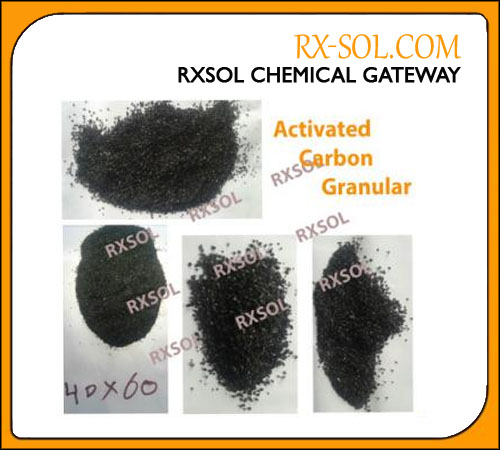
Activated Carbon Acid Washed
Part No: RXSOL-32-3107-060
It is Extra Stron Cleaner containing Surface active agent, corrosion inhibitors, and water conditioners specifically designed for cleaning electronic air filters.
RXSOL Coil and Air Filter Cleaner HD is an extra-strong cleaner containing surface-active agents, corrosion inhibitors, and water conditioners specifically designed for cleaning electronic air filters. Most of lectronic air filters can become coated with tobacco tars and other deposits that are very difficult to remove with ordinary detergents. RXSOL Coil and Air Filter Cleaner HD will rapidly clean dirt, grease, dust and tars from the plates on these filters. Due to present of corrosion inhibitor it will not corrode or tarnish aluminum or other metals when used.
Application
It is used for cleaning of coil and air filter . It is an alkaline based cleaner that does all that an acid will do without the danger of an acid. Surfactants and cleaners instantly penetrate and lift layers of oily grime and corrosive deposits from the filter. Its penetrating action pushes this loosened debris out of hard-to-reach areas restoring equipment to peak efficiency.
Dosage
Spray RXSOL Coil and Air Filter Cleaner HD on air filter or plate wich quickly reacts with caked-on greasy dirt and smoke tar residues, loosening them and making them water soluble and easy to rinse off. Dirt and grease are flushed away effortlessly with an ordinary hose. Spray fresh water on filters or plates and let it dry. Equipment will be left clean and ready to operate at top efficiency.
Using Procedure :
-
Switch off unit and fan
-
Mix 1 part Rxsol Coil and Air Filter Cleaner HD with 6 parts water. Add the water to the sprayer tank first and then the product.
-
Spray the cleaning solution on the plates, using any of the any sprayers. Be sure to get all surfaces of the plates thoroughly wet with the cleaning solution.
-
Allow the solution to remain on the plates for 5 to 15 minutes.
-
Rinse off with hose. If the unit is equipped with spray nozzles for washing the system, they can be used for
rinsing. Use hot water if available.
Technical Specification
| Form | Liquid |
| State | Clear |
| Odour | Fresh |
| Boiling point and boiling range | 0°C |
| Flash Point | Not applicable |
| Freezing Point | 100°C |
| pH | 13.0 - 14.0, 100 % |
MSDS

| Product Name | Coil and Air Filter Cleaner HD |
| Part Number | RXSOL-39-3901-025 |
Company Details:
RX MARINE INTERNATIONAL
105, A wing , BSEL , TECH PARK.
VASHI ,NEW BOMBAY 400703 INDIA
Branch : Kandla, Mumbai , Chennai, Vizag, Kolkata, UAE , OMAN , CANADA and KENYA
| Phone | +91 22 20871200 - 1400 |
| Fax | +91 22 27612100 :::AOH :0091 9821214367 |
| mail @ rxmarine.com | |
| Website | www.rxmraine.com |

| Chemical Name | CAS No | % |
| Mixture | ||
| Poly(oxy-1,2-ethanediyl),alpha-undecyl-omega-hydroxy | 34398-01-1 | 3 - 7 |
| Sodium Metasilicate | 6834-92-0 | 1 - 5 |
| Sodium Xylene Sulphonate | 1300-72-7 | 1 - 5 |
| Tetrasodium Ethylenediamine Tetraacetate | 64-02-8 | 1 - 5 |
| Proprietroy Blend | --- | 80-90 |

| Physical hazards |
Corrosive to metals Category 1 |
| Health hazards |
Skin corrosion/irritation Category 1 Serious eye damage/eye irritation Category 1 |
| Environmental hazards | Not classified. |
| Signal Word |
Danger. |
| Hazard Statements |
May be corrosive to metals. Causes severe skin burns and eye damage. |
|
Precautionary statements Prevention |
Keep only in original packaging. Do not breathe mist or vapour. Wash thoroughly after handling. Wear protective gloves, protective clothing, eye protection and face protection. |
| Precautionary statements Response | IF SWALLOWED: Rinse mouth. Do NOT induce vomiting. IF ON SKIN (or hair): Take off immediately all contaminated clothing. Rinse skin with water. IF INHALED: remove person to fresh air and keep comfortable for breathing. IF IN EYES: Rinse cautiously with water for several minutes. Remove contact lenses, if present and easy to do. Continue rinsing. Immediately call a POISON CENTER or doctor. Wash contaminated clothing before reuse. Absorb spillage to prevent material-damage. |
| Storage | Store locked up. Store in a corrosion resistant container with a resistant inner liner. |
| Disposal | Dispose of container in accordance with local, regional, national and international regulations. |

| Inhalation | IF INHALED: remove person to fresh air and keep comfortable for breathing. Immediately call a POISON CENTRE or doctor. |
| Eye Contact | IF IN EYES: Rinse cautiously with water for several minutes. Remove contact lenses, if present and easy to do. Continue rinsing. Immediately call a POISON CENTRE or doctor. |
| Swallowed | IF SWALLOWED: Rinse mouth. Do NOT induce vomiting. Immediately call a poison centre or doctor. If vomiting occurs, keep head low so that stomach content doesn't get into the lungs. Never give anything by mouth if person is unconscious, or is convulsing. |
| Skin Contact |
IF ON SKIN (or hair): Take off immediately all contaminated clothing. Rinse skin with water. Immediately call a poison centre or doctor. Wash contaminated clothing before reuse. |
| Most important symptoms and effects, both acute and delayed | Inhalation of vapour can cause respiratory tract irritation or chemical burns. Burning pain and severe corrosive skin damage. Symptoms may include redness, oedema, drying, defatting and cracking of the skin. Causes serious eye damage. Symptoms may include stinging, tearing, redness, swelling, and blurred vision. Permanent eye damage including blindness could result. Harmful if swallowed. Causes chemical burns to mouth, throat and stomach. |
| Indication of any immediate medical attention and special treatment needed | Provide general supportive measures and treat symptomatically. Chemical burns: Flush with water immediately. While flushing, remove clothes which do not adhere to affected area. Call an ambulance. Continue flushing during transport to hospital. Keep victim under observation. Symptoms may be delayed. |

| Suitable extinguishing media | Water fog. Foam. Dry chemical powder. Carbon dioxide (CO2). |
| Unsuitable extinguishing media | Do not use water jet as an extinguisher, as this will spread the fire. |
| Specific hazards arising from the chemical | During fire, gases hazardous to health may be formed. |
| Special protective equipment and precautions for firefighters | Self-contained breathing apparatus and full protective clothing must be worn in case of fire. |
| Fire-fighting equipment/instructions | Move containers from fire area if you can do so without risk. |
| Specific methods | Use standard firefighting procedures and consider the hazards of other involved materials. |
| Hazardous combustion products | May include and are not limited to: Oxides of carbon. |

| Personal precautions, protective equipment and emergency procedures |
Keep unnecessary personnel away. Keep people away from and upwind of spill/leak. Wear appropriate protective equipment and clothing during clean-up. Do not breathe mist or vapour. Do not touch damaged containers or spilled material unless wearing appropriate protective clothing. Ensure adequate ventilation. Local authorities should be advised if significant spillages cannot be contained. For personal protection, see section 8 of the SDS. |
| Methods and material for containment and cleaning up |
This material is classified as a water pollutant under the Clean Water Act and should be prevented from contaminating soil or from entering sewage and drainage systems which lead to waterways. Large Spills: Stop the flow of material, if this is without risk. Dike the spilled material, where this is possible. Absorb spillage to prevent material damage. Use a non-combustible material like vermiculite, sand or earth to soak up the product and place into a container for later disposal. Following product recovery, flush area with water. Small Spills: Wipe up with absorbent material (e.g. cloth, fleece). Clean surface thoroughly to remove residual contamination. Never return spills to original containers for re-use. |
| Reference to other sections | For disposal see section 13. |

| Precautions for safe handling | Do not get in eyes, on skin, or on clothing. Do not breathe mist or vapour. Do not swallow. When using, do not eat, drink or smoke. Provide adequate ventilation. Wear appropriate personal protective equipment. Wash thoroughly after handling. Handle and open container with care. Observe good industrial hygiene practices. |
| Conditions for safe storage, including any incompatibilities |
Keep out of reach of children. Keep container tightly closed in a cool, dry and well-ventilated place. Store in corrosive resistant container with a resistant inner liner. Store locked up. |

| Appropriate engineering controls | Good general ventilation (typically 10 air changes per hour) should be used. Ventilation rates should be matched to conditions. If applicable, use process enclosures, local exhaust ventilation, or other engineering controls to maintain airborne levels below recommended exposure limits. If exposure limits have not been established, maintain airborne levels to an acceptable level. Eye wash facilities and emergency shower must be available when handling this product. |
| Biological limit values | No biological exposure limits noted for the ingredient(s) |
| Occupational exposure limits | No exposure limits noted for ingredient(s). |
| Eye/face protection | Wear safety glasses with side shields (or goggles) and a face shield. |
| Skin protection | Wear appropriate chemical resistant gloves |
| Respiratory protection | In case of insufficient ventilation, wear suitable respiratory equipment. Respirator should be selected by and used under the direction of a trained health and safety professional following requirements found in OSHA's respirator standard (29 CFR 1910.134), CAN/CSA-Z94.4 and ANSI's standard for respiratory protection (Z88.2). |
| Thermal hazards | Not available. |
| General hygiene considerations | Always observe good personal hygiene measures, such as washing after handling the material and before eating, drinking, and/or smoking. Routinely wash work clothing and protective equipment to remove contaminants. |

| Physical state | Clear Liquid |
| Colour | Yellow |
| Odour | Fresh |
| Odor Threshold | Not Applicable |
| pH | 12.7 |
| Melting Point | Not Applicable |
| Boiling Point | Not Applicable |
| Flash Point | Not Applicable |
| Evaporation Rate | Not Applicable |
| Flammability (solid, gas) | Not Combustible |
| Explosive limits | No Data Available |
| Upper/lower flammability or explosive limits | No data available |
| Autoignition temperature | Not Applicable |
| Decomposition temperature | Not Applicable |
| Vapour pressure | Not Applicable |
| Density | 8.62 |
| Vapour Density | No Data Available |
| Freezing point | No data available |
| Specific Gravity | No data available |
| Partition coefficient | No data available |
| Explosive properties | No data available |
| Solubility | No data available |
| Relative density | Not Applicable |
| Ignition temperature | No information available. |
| Particle characteristics | No data available |
| Viscosity | No data available |

| Reactivity | Reacts violently with strong acids. This product may react with oxidizing agents. May be corrosive to metals. |
| Stability | Material is stable under normal conditions |
| Possibility of hazardous reactions | No dangerous reaction known under conditions of normal use. |
| Conditions to avoid | Keep away from heat, hot surfaces, sparks, open flames and other ignition sources. Do not mix with other chemicals. |
| Incompatible materials | Acids. Strong oxidising agents. Metals. |
| Hazardous decomposition products | May include and are not limited to: Oxides of carbon |

| Acute toxicity | Not known |
| Routes of exposure | Inhalation. Ingestion. Skin contact. Eye contact. |
| Ingestion | Causes digestive tract burns. |
| Inhalation | May cause respiratory tract irritation or chemical burns. |
| Skin contact | Causes severe skin burns. |
| Eye contact | Causes serious eye damage. |
| Symptoms related to the physical, chemical and toxicological characteristics | Burning pain and severe corrosive skin damage. Causes serious eye damage. Symptoms may include stinging, tearing, redness, swelling, and blurred vision. Permanent eye damage including blindness could result. |
| Reproductive toxicity | This product is not expected to cause reproductive or developmental effects. |
| Serious eye damage/eye irritation |
Causes serious eye damage. |
| Skin corrosion/irritation | Causes severe skin burns. Causes severe skin burns and eye damage |
| Germ cell mutagenicity | No data available to indicate product or any components present at greater than 0.1% are mutagenic or genotoxic. |
| Carcinogenicity | Not classifiable as to carcinogenicity to humans. |
| Specific target organ toxicity - single exposure | Based on available data, the classification criteria are not met. |
| Specific Target Organ Toxicity – Repeated Exposure | Based on available data, the classification criteria are not met. |
| Respiratory or skin sensitisation |
Not a respiratory sensitizer. This product is not expected to cause skin sensitisation. |
| Aspiration hazard | Based on available data, the classification criteria are not met. |
| Information on components | CAS: 121-57-3 sulphanilic acid OECD 471 (negative) (NTP, Salmonella typhimurium) |
| Additional toxicological information |
The following applies to aromatic amines in general: systemic effect - methaemoglobinaemia with headache, cardia dysrhythmia, drop in blood pressure, dyspnoea, spasm, principal symptom: cyanosis (blue discoloration of the blood) |

| Ecotoxicity |
The product is not classified as environmentally hazardous. However, this does not exclude the possibility that large or frequent spills can have a harmful or damaging effect on the environment. |
| Ecotoxicological data |
Poly(oxy-1,2-ethanediyl), alpha-undecyl-omega-hydroxy- (CAS 34398-01-1)
Sodium metasilicate (CAS 6834-92-0)
Tetrasodium ethylenediamine tetraacetate (CAS 64-02-8)
|
| Persistence and degradability | No data is available on the degradability of any ingredients in the mixture. |
| Bioaccumulative potential | Pow = n-octanol/wasser partition coefficient log Pow< 1 Does not accumulate in organisms. CAS: 121-57-3 sulphanilic acid log Pow-2.298 (.) |
| Mobility in soil | No further relevant information available. |
| Other adverse effects | No other adverse environmental effects (e.g. ozone depletion, photochemical ozone creation potential, endocrine disruption, global warming potential) are expected from this component. |

| Disposal instructions |
Collect and reclaim or dispose in sealed containers at licensed waste disposal site. Incinerate the material under controlled conditions in an approved incinerator. Dispose of contents/container in accordance with local/regional/national/international regulations. |
| Local disposal regulations | Dispose in accordance with all applicable regulations. |
| Waste from residues / unused products | Dispose of in accordance with local regulations. Empty containers or liners may retain some product residues. This material and its container must be disposed of in a safe manner (see: Disposal instructions). |
| Hazardous waste code | The waste code should bDelete Rowse assigned in discussion between the user, the producer and the waste disposal company. |
| Contaminated packaging | Since emptied containers may retain product residue, follow label warnings even after container is emptied. Empty containers should be taken to an approved waste handling site for recycling or disposal. |

| UN number | UN 3266 |
| UN proper shipping name |
CORROSIVE LIQUID, BASIC, INORGANIC, N.O.S. |
| Transport hazard class(es) | 8 |
| Packaging group | II |
| Marine pollutant | Yes |

| Safety, health and environmental regulations specific for the product in question | This material safety data sheet complies with the requirements of Regulation (EC) No. 1907/2006. |
| Other regulations | No data available |
| Chemical Safety Assessment | For this product a chemical safety assessment was not carried out. |

| Other Information |
The information above is believed to be accurate and represents the best information currently available to us. However, we make no warranty of merchant ability or any other warranty, express or implied, with respect to such information, and we assume no liability resulting from its use. Users should make their own investigations to determine the suitability of the information for their particular purposes. In no event shall be liable for any claims, losses, or damages of any third party or for lost profits or any special, indirect, incidental, consequential or exemplary damages, how so ever arising, even if RX Marine International has been advised of the possibility of such damages. |