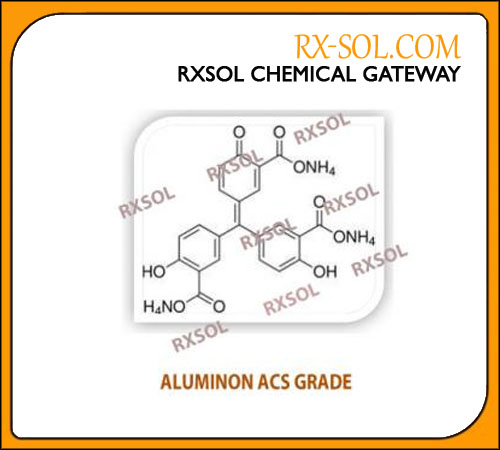
ALIZARIN RED S
Part No: RXSOL-69-1302-230
For acid stimulation treatments, the addition of the RXSOL Anti Cracking H2S Corrosion Inhibitor are recommended.
RXSOL H2S-22 corrosion inhibitor is used to control corrosion and inhibit carbon dioxide and hydrogen sulfide. To Prevent H2S Corrosion in distillation Columns overhead system. Hydrogen Sulfide Scavenger -RXSOL-16-2065-210 corrosive and Acidic GAS Remover.
Application
Hydrogen sulfide (H2S) naturally occurs and may already by present information can be the result of sulphate reducing bacteria (SRB) in your process systems. Ones established, it can potentially be carried in hydrocarbon streams, resulting in servere gatharing lines, creating high failure rates in your production.
Through strategic H2S scavenger applications and speciality chemicals, RX Marine International chemicals experts can help reduce H2S levels and lower overall solids in your system, reducing any gas or fluid souring while controlling corrosion.
If you encounter hydrogen sulfide in your system, RX Marine International can perform a fluid compatibility test to determine H2S levels and customize a chemical solution to fit your production needs.
Dosage
RXSOL H2S-22 corrosion inhibitor can be applied by continuous injection to maintain active material in the well and production system, or it can be used as an additive in well treatment fluids to provide short-term protection.
Hydrogen Sulfide Scavenger is works as a corrosive Acidic GAS Remover from system as well as from working station. which is not only damaging precious instrument but also creating Worker Health problem by attacking on respiratory system.
The neutralizing effect of H2S is the result of a simple chemical reaction between the components of an RXSOL-11-5014-210 molecule and an offensive, toxic odour molecule.
Hydrogen Sulfide (H2S) + RXSOL-11-5014-210 = Bi Sulfide salt
The resultant products in the above equations are safe and stabilized compounds, which are neutral, harmless, and odour free. They dissolve in water and will not be re-released into the atmosphere in normal conditions.
Technical Specification
Hydrogen Sulfide Scavenger Manufacturer, supplier, Exporter. Product Code : RXSOL-11-5014-210 is very effective corrosive and Acidic GAS Remover. H2S Scavengers and Speaciality Chemicals to Reduce Hydrogen Sulfide Exposure from atmosphere.
Typical properties
Appearance: Dark brown liquid
Specific gravity: 0.93 +/- 0.03
Typical temperature range: Up to 250°F (121°C)
Pour point: <-40°F (-40°C)
Solubility Slightly dispersible in water; soluble in oil
MSDS

| Product Name | Anti Cracking H2S Corrosion Inhibitor |
| Part Number | RXSOL-81-2065-210 |
Company Details:
RX MARINE INTERNATIONAL
105, A wing , BSEL , TECH PARK.
VASHI ,NEW BOMBAY 400703 INDIA
Stock Point : Mumbai, Muscat, Fujairah, Nairobi, Kolkata, Vizag, Chennai, Gandhidham, Canada
| Phone | +91 22 27815540 / 41 / 42 |
| Fax | +91 22 2781 1318 ::: AOH :0091 9821214367 |
| mail @ rxmarine.com |

|
Ingredient name |
Weight % |
CAS number |
|
Petroleum Naphtha |
50 - 60 |
64742-47-8 |
|
Amine Derivative |
10 - 20 |
Trade secret. |
| Ethylbenzene | 10 - 20 | 100-41-4 |
| Acid phosphate ester | 1 - 5 | Trade secret. |
| Amine derivative | 1 - 5 | Trade secret. |
| Isopropanol | 1 - 5 | 67-63-0 |
| Heavy aromatic naphtha | 1 - 5 | 64742-94-5 |
| Toluene | 0.1 - 1 | 108-88-3 |
| Xylene | 1 - 5 | 1330-20-7 |
| Polyoxyalkylenes | 0.1 - 1 | Trade secret. |
| Cumene | 0.1 - 1 | 98-82-8 |

|
Signal word |
Danger |
|
Hazard statements |
Flammable liquid and vapor. Causes skin irritation. Causes serious eye irritation. May cause cancer. Suspected of damaging fertility or the unborn child. May cause damage to organs through prolonged or repeated exposure. (hearing organs) Harmful to aquatic life with long lasting effects. |
|
Precautionary statements Prevention |
Obtain special instructions before use. Do not handle until all safety precautions have been read and understood. Wear protective gloves: > 8 hours (breakthrough time): Rubber gloves. Nitrile gloves. Neoprene gloves. Wear protective clothing. Wear eye or face protection. Keep away from heat, hot surfaces, sparks, open flames and other ignition sources. No smoking. Use explosion-proof electrical, ventilating or lighting equipment. Use non-sparking tools. Take action to prevent static discharges. Keep container tightly closed. Avoid release to the environment. Do not breathe vapor. Wash thoroughly after handling. |
| Precautionary statements Response |
IF exposed or concerned: Get medical advice or attention. IF ON SKIN (or hair): Take off immediately all contaminated clothing. Rinse skin with water. IF ON SKIN: Wash with plenty of water. If skin irritation occurs: Get medical advice or attention. IF IN EYES: Rinse cautiously with water for several minutes. Remove contact lenses, if present and easy to do. Continue rinsing. If eye irritation persists: Get medical advice or attention. |
|
Storage |
Store locked up. Store in a well-ventilated place. Keep cool. |
|
Disposal |
Dispose of contents and container in accordance with all local, regional, national and international regulations. |
|
Supplemental label elements |
Avoid contact with skin and clothing. Wash thoroughly after handling. |
|
Hazards not otherwise classified |
Prolonged or repeated contact may dry skin and cause irritation. |

|
Eye contact |
Immediately flush eyes with plenty of water, occasionally lifting the upper and lower eyelids. Continue to rinse for at least 10 minutes. Check for and remove any contact lenses. Get medical attention. |
|
Inhalation |
Remove victim to fresh air and keep at rest in a position comfortable for breathing. If not breathing, if breathing is irregular or if respiratory arrest occurs, provide artificial respiration or oxygen by trained personnel. If unconscious, place in recovery position and get medical attention immediately. Maintain an open airway. In case of inhalation of decomposition products in a fire, symptoms may be delayed. The exposed person may need to be kept under medical surveillance for 48 hours. |
|
Skin contact |
Wash skin thoroughly with soap and water or use recognized skin cleanser. Remove contaminated clothing and shoes. Wash contaminated clothing thoroughly with water before removing it, or wear gloves. Continue to rinse for at least 10 minutes. Get medical attention. Wash clothing before reuse. Clean shoes thoroughly before reuse. |
|
Ingestion |
Wash out mouth with water. If material has been swallowed and the exposed person is conscious, give small quantities of water to drink. Do not induce vomiting unless directed to do so by medical personnel. If vomiting occurs, the head should be kept low so that vomit does not enter the lungs. Never give anything by mouth to an unconscious person. If unconscious, place in recovery position and get medical attention immediately. Maintain an open airway. |
|
Most important symptoms/effects, acute and delayed |
Eye contact: Causes serious eye irritation. Inhalation: No known significant effects or critical hazards. Skin contact: Causes skin irritation. Defatting to the skin. Ingestion: No known significant effects or critical hazards. |
| Over-exposure signs/symptoms |
Eye contact: Adverse symptoms may include the following: pain or irritation, watering, redness. Inhalation: reduced fetal weight, increase in fetal deaths, skeletal malformations Skin contact: irritation, redness, dryness, cracking,reduced fetal weight, increase in fetal deaths, skeletal malformations Ingestion: Adverse symptoms may include the following: reduced fetal weight, increase in fetal deaths, skeletal malformations |

|
Suitable extinguishing media |
Use dry chemical, CO2, alcohol-resistant foam or water spray (fog). |
|
Unsuitable extinguishing media |
Do not use water jet. |
|
Specific hazards arising from the chemical |
Flammable liquid and vapor. Runoff to sewer may create fire or explosion hazard. In a fire or if heated, a pressure increase will occur and the container may burst, with the risk of a subsequent explosion. This material is harmful to aquatic life with long lasting effects. Fire water contaminated with this material must be contained and prevented from being discharged to any waterway, sewer or drain. |
|
Hazardous thermal decomposition products |
Carbon dioxide, Carbon monoxide, Nitrogen oxides, Phosphorus oxides |
| Special protective actions for fire-fighters | Promptly isolate the scene by removing all persons from the vicinity of the incident if there is a fire. No action shall be taken involving any personal risk or without suitable training. Move containers from fire area if this can be done without risk. Use water spray to keep fire-exposed containers cool. |
| Special protective equipment for fire-fighters | Fire-fighters should wear appropriate protective equipment and self-contained breathing apparatus (SCBA) with a full face-piece operated in positive pressure mode. |

|
For non-emergency personnel |
No action shall be taken involving any personal risk or without suitable training. Evacuate surrounding areas. Keep unnecessary and unprotected personnel from entering. Do not touch or walk through spilled material. Shut off all ignition sources. No flares, smoking or flames in hazard area. Avoid breathing vapor or mist. Provide adequate ventilation. Wear appropriate respirator when ventilation is inadequate. Put on appropriate personal protective equipment. |
|
For emergency responders |
If specialized clothing is required to deal with the spillage, take note of any information in Section 8 on suitable and unsuitable materials. See also the information in "For nonemergency personnel". |
|
Environmental precautions |
Avoid dispersal of spilled material and runoff and contact with soil, waterways, drains and sewers. Inform the relevant authorities if the product has caused environmental pollution (sewers, waterways, soil or air). Water polluting material. May be harmful to the environment if released in large quantities. |
| Methods and materials for containment and cleaning up- Small spill | Stop leak if without risk. Move containers from spill area. Use spark-proof tools and explosion-proof equipment. Dilute with water and mop up if water-soluble. Alternatively, or if water-insoluble, absorb with an inert dry material and place in an appropriate waste disposal container. Dispose of via a licensed waste disposal contractor. |
| Methods and materials for containment and cleaning up - Large spill | Stop leak if without risk. Move containers from spill area. Use spark-proof tools and explosion-proof equipment. Approach release from upwind. Prevent entry into sewers, water courses, basements or confined areas. Wash spillages into an effluent treatment plant or proceed as follows. Contain and collect spillage with non-combustible, absorbent material e.g. sand, earth, vermiculite or diatomaceous earth and place in container for disposal according to local regulations (see Section 13). Dispose of via a licensed waste disposal contractor. Contaminated absorbent material may pose the same hazard as the spilled product. Note: see Section 1 for emergency contact information and Section 13 for waste disposal. |

|
Protective measures |
Avoid exposure - obtain special instructions before use. Avoid exposure during pregnancy. Do not handle until all safety precautions have been read and understood. Do not get in eyes or on skin or clothing. Do not breathe vapor or mist. Do not ingest. Avoid release to the environment. Use only with adequate ventilation. Wear appropriate respirator when ventilation is inadequate. Do not enter storage areas and confined spaces unless adequately ventilated. Keep in the original container or an approved alternative made from a compatible material, kept tightly closed when not in use. Store and use away from heat, sparks, open flame or any other ignition source. Use explosion-proof electrical (ventilating, lighting and material handling) equipment. Use only non-sparking tools. Take precautionary measures against electrostatic discharges. Empty containers retain product residue and can be hazardous. Do not reuse container. |
|
Advice on general occupational hygiene |
Eating, drinking and smoking should be prohibited in areas where this material is handled, stored and processed. Workers should wash hands and face before eating, drinking and smoking. Remove contaminated clothing and protective equipment before entering eating areas. See also Section 8 for additional information on hygiene measures. |
|
Conditions for safe storage, including any incompatibilities |
Store in accordance with local regulations. Store in a segregated and approved area. Store in a dry, cool and well-ventilated area, Store in original container, protected from direct sunlight. Store locked up. Eliminate all ignition sources. Separate from oxidizing materials. Keep container tightly closed and sealed until ready for use. Containers that have been opened must be carefully resealed and kept upright to prevent leakage. Do not store in unlabeled containers. Use appropriate containment to avoid environmental contamination. See Section 10 for incompatible materials before handling or use. |

| Appropriate engineering controls | Use only with adequate ventilation. Use process enclosures, local exhaust ventilation or other engineering controls to keep worker exposure to airborne contaminants below any recommended or statutory limits. The engineering controls also need to keep gas, vapor or dust concentrations below any lower explosive limits. Use explosion-proof ventilation equipment. |
|
Hygiene measures |
Wash hands, forearms and face thoroughly after handling chemical products, before eating, smoking and using the lavatory and at the end of the working period. Appropriate techniques should be used to remove potentially contaminated clothing. Wash contaminated clothing before reusing. Ensure that eyewash stations and safety showers are close to the workstation location. |
|
Eye/face protection |
Wear chemical safety goggles. When transferring material wear face-shield in addition to chemical safety goggles. |
|
Hand protection |
Chemical-resistant gloves: Rubber gloves. Nitrile gloves. Neoprene gloves. |
|
Skin protection |
Wear long sleeves to prevent repeated or prolonged skin contact. |
|
Respirator protection |
If a risk assessment indicates it is necessary, use a properly fitted, air purifying or supplied air respirator complying with an approved standard. Respirator selection must be based on known or anticipated exposure levels, the hazards of the product and the safe working limits of the selected respirator. |

| Physical state | Liquid. |
| Color | Amber. |
| Odor | Aromatic. |
| Odor threshold | Not available. |
| pH | Not available. |
| Melting point/freezing point | -17.8°C (-0.04°F) |
| Initial Boiling Point | Not available. |
|
Boiling point, initial boiling point, and boiling range |
146°C (294.8°F) |
| Flash point |
Closed cup: 26.7°C (80.1°F) |
|
Burning time |
Not applicable. |
|
Burning rate |
Not applicable. |
|
Evaporation rate |
Not applicable. |
| Flammability | Highly flammable in the presence of the following materials or conditions: open flames, sparks and static discharge and heat. |
| Lower and upper explosion limit/flammability limit | Not applicable. |
| Vapor pressure | Not applicable. |
| Relative vapor density | Not applicable. |
| Relative density | 0.93 |
| Density | 7.76 (lbs/gal) |
| Solubility in water | Not applicable. |
| Partition coefficient: noctanol/water | Not applicable. |
| Auto-ignition temperature | Not applicable. |
| Decomposition temperature | Not applicable. |
| Viscosity | Not applicable. |
| VOC | Not applicable. |
| Pour Point | Not applicable. |

| Reactivity | No specific test data related to reactivity available for this product or its ingredients. |
| Chemical stability | The product is stable. |
| Possibility of hazardous reactions | Under normal conditions of storage and use, hazardous reactions will not occur. |
|
Conditions to avoid |
Avoid all possible sources of ignition (spark or flame). Do not pressurize, cut, weld, braze, solder, drill, grind or expose containers to heat or sources of ignition. |
|
Incompatible materials |
Reactive or incompatible with the following materials: oxidizing materials, reducing materials and acids. |
|
Hazardous decomposition products |
Under normal conditions of storage and use, hazardous decomposition products should not be produced. |

| Irritation/Corrosion | No available toxicity data. |
| Sensitization | No available toxicity data. |
| Mutagenicity | No available toxicity data. |
| Carcinogenicity | No available toxicity data. |
| Reproductive toxicity | No available toxicity data. |
| Teratogenicity | No available toxicity data. |
| Carcinogenicity | Reasonably anticipated to be a human carcinogen. |
| Specific target organ toxicity (single exposure) | Respiratory tract irritation |
| Specific target organ toxicity (repeated exposure) | Hearing organs |
| Information on the likely routes of exposure | Routes of entry anticipated: Dermal, Inhalation. |
| Potential acute health effects |
Eye contact: Causes serious eye irritation. Inhalation: No known significant effects or critical hazards. Skin contact: Causes skin irritation. Defatting to the skin. Ingestion: No known significant effects or critical hazards. |
| Symptoms related to the physical, chemical and toxicological characteristics |
Eye contact: Adverse symptoms may include the following: pain or irritation, watering, redness Inhalation: reduced fetal weight, increase in fetal deaths, skeletal malformations Skin contact: irritation, redness, dryness, cracking, reduced fetal weight, increase in fetal deaths, skeletal malformations Ingestion: Adverse symptoms may include the following: reduced fetal weight, increase in fetal deaths, skeletal malformations |
| Delayed and immediate effects and also chronic effects from short and long term exposure | Not available. |

| Persistence and degradability | Not available. |
|
Mobility in soil |
Not available. |
|
Other adverse effects |
No known significant effects or critical hazards. |

| Disposal methods | Dispose of surplus and non-recyclable products via a licensed waste disposal contractor. Waste packaging should be recycled. Incineration or landfill should only be considered when recycling is not feasible. This material and its container must be disposed of in a safe way. Care should be taken when handling emptied containers that have not been cleaned or rinsed out. Vapor from product residues may create a highly flammable or explosive atmosphere inside the container. Do not cut, weld or grind used containers unless they have been cleaned thoroughly internally. Avoid dispersal of spilled material and runoff and contact with soil, waterways, drains and sewers. |

| UN number | UN1993 |
| UN proper shipping name |
FLAMMABLE LIQUID, N.O.S. (Contains: Petroleum naphtha, Ethylbenzene) |
| Transport hazard class(es) | 3 |
| Packaging group | III |
| Environmental hazards | No |

| Safety, health and environmental regulations specific for the product in question | This material safety data sheet complies with the requirements of Regulation (EC) No. 1907/2006. |
| Other regulations | No data available |
| Chemical Safety Assessment | For this product a chemical safety assessment was not carried out. |

| Other Information |
The information above is believed to be accurate and represents the best information currently available to us. However, we make no warranty of merchant ability or any other warranty, express or implied, with respect to such information, and we assume no liability resulting from its use. Users should make their own investigations to determine the suitability of the information for their particular purposes. In no event shall be liable for any claims, losses, or damages of any third party or for lost profits or any special, indirect, incidental, consequential or exemplary damages, howsoever arising, even if RX Marine International has been advised of the possibility of such damages. DISCLAIMER OF LIABILITY :The information in this SDS was obtained from sources which we believe are reliable. However, the information is provided without any warranty, express or implied, regarding its correctness. The conditions or methods of handling, storage, use or disposal of the product are beyond our control and may be beyond our knowledge. For this and other reasons, we do not assume responsibility and expressly disclaim liability for loss, damage or expense arising out of or in any way connected with the handling, storage, use or disposal of the product. This MSDS was prepared and is to be used only for this product. If the product is used as a component in another product, this MSDS information may not be applicable. |