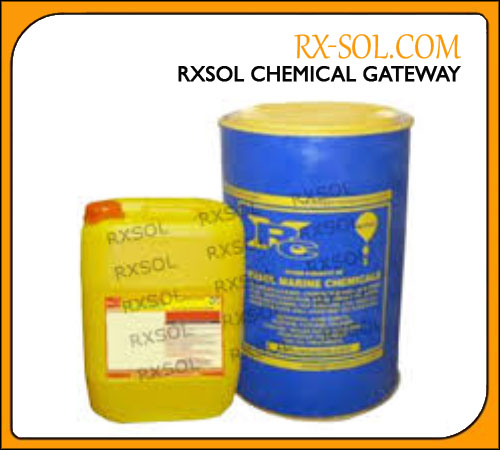
Castor Oil
Part No: RXSOL-19-1264-050
Condensor Dispersant Scale Controler For Radiators, DG - sets, Closed Cooling System , Specialy formulated for SCALE CONTROL
Condensor Dispersant Scale Controler (For Radiators, DG - sets, Closed Cooling System) , Specialy formulated for SCALE CONTROL .
RXSOL-40-4007 is a dry powder, nitrite/borate based compound with unique formulation with organic Corrosion Inhibitors , Anti-Scalant for use in closed cooling water systems , for preventing corrosion and scale Formation in Internal combustion engines, compressor cooling system, DG -set at high or low temperature. It is also acts as a corrosion inhibitor ( Protects all the metals including cast iron , mild steel , copper .)
Note:- The stable oxide film that is formed by RXSOL-40-4007 prevents corrosion caused by electrolytic action between dissimilar metals used in the system. RXSOL-40-4007 has been field tested and found to have no detrimental effects on non metallic substances such as seals, glands, packing, hoses, gaskets etc., normally used in these’systems.
Application
Condensor Dispersant Scale Controler (For Radiators, DG - sets, Closed Cooling System)
Introduction:-RXSOL-40-4007 is a dry powder, nitrite/borate based compound with unique formulation with organic Corrosion Inhibitors , Anti-Scalant for use in closed cooling water systems , for preventing corrosion and scale Formation in Internal combustion engines, compressor cooling system, DG -set at high or low temperature. It is also acts as a corrosion inhibitor ( Protects all the metals including cast iron , mild steel , copper .)
Note:- The stable oxide film that is formed by RXSOL-40-4007 prevents corrosion caused by electrolytic action between dissimilar metals used in the system. RXSOL-40-4007 has been field tested and found to have no detrimental effects on non metallic substances such as seals, glands, packing, hoses, gaskets etc., normally used in these’systems.
Application-DG*Sets:-Internal combustion engines closed circuit cooling system compressor cooling system.RXSOL-40-4007 incorporates superior corrosion inhibitors to prevent corrosion works by free of scale deposits.
Advantages: -1. Prolong the life of equipment by keeping scale and corrosion free. Since RXSOL-40-4007 is alkaline and so will suppress acid corrosion, which would otherwise result in corrosion damage such as pitting. However, the alkalinity control is such that even if the product is accidentally overdosed, the pH of the water will remain within limits. The metals which would be affected by extremes of alkalinity or acidity are protected.
2. Improves generating cooling efficiency by maintaining a clean heat transfer
3. Corrosion protection by using superior corrosion inhibitor.
4. Reduced maintenance and down time
5. Compatible with Coolants / Antifreeze solution / Glycol .
6. Friendly with Metals (Like steel, Copper, Aluminum, all alloys) & Non-metal (Rubber, Hoses, Gasket etc.)
Note:-In cases where systems are contaminated with oil and/or scale they should be cleaned before starting to apply RXSOL-40-4007 .There are suitable RX BRAND products to carry out the cleaning. Degreasing should be carried out using RXSOL-40-4007 and descaling by using RXSOL-DC-1008 .
SPECIFICATION HANDLING Color pH Odour Off white powder Alkaline ( 9 ) None. RXSOL-40-4007 is an alkaline product & should be handled like other chemical Avoid contact with Eyes, Skin ,in case of contact ,wash with copious amounts of water immediately. Nitrite (as PPM NO2) 0 100-200 300-600 700-900 1100-1300 1440-2400 RXSOL-40-4007 /1000L 2 2.5 2.0 1 -1.8 0.5-0.75 0
Dosage
Method Of Use:-1. Properly clean the system with water and alkaline liquid , if necessary.
2. Add 0 .05-0.2 % of RXSOL-40-4007 in system or recommended Nitrite level 1400 – 2500 ppm can be measured and controlled by any standard RXSOL test kit for Nitrite, Chloride test also helps to detect excess contamination to maintain accepted levels . when the product is dosed as recommended limit By buffering action of RXSOL-CWT-4001 , pH should be maintained between 8.3 and 10 by the treatment.
Note:- Initial dosage for an untreated system is 2 Kg of RXSOL-40-4007 / 1000 litres of untreated distilled water. This will bring the treatment up to the minimum level of 1000 ppm nitrite. For best result and prolonged engine life add RXSOL-40-4007 every 500 -6500 km. or 250 to 300 hours of running time or every 2 month interval .
These data are based on our present knowledge. However, they shall not constitute a guarantee for any specific product features and shall not establish a legally valid contractual relationship. • Department issuing data specification sheet Environment protection department.
MSDS

|
Product Name |
Dispersant Solution |
| Product Type |
Company Details:
RX MARINE INTERNATIONAL
105, A wing , BSEL , TECH PARK.
VASHI ,NEW BOMBAY 400703 INDIA
| Phone | +91 22 65113333/ 5555 / 9999 / 27611360 / 27815540 |
| Fax | +91 22 2781 1318 :::AOH :0091 9322594669 |
| mail @ rxmarine.com |

|
SARA 313 |
Component | CAS Number | Percent Comp. | Dimension | Exposure Limits |
| Sodium Phosphate Hexameta Anhydrous | CAS# 10124-56-8 | 0.15% | W/V | TXDS: orl-mus LD50: 7250 mg/Kg | |
| Water, Deionized ASTM Type II | CAS# 7732-18-5 | Balance | V/V | Not Established |

May be harmful if swallowed. May cause irritation. Avoid breathing vapors or dust. Use with adequate ventilation. Avoid contact with eyes, skin and close. Wash thoroughly after handling.
|
Emergency Overview: |
Caution! May cause irritation to skin, eyes, and respiratory tract. May be harmful if swallowed or inhaled. |
|
Inhalation: |
May cause irritation to the respiratory tract. Symptoms may include coughing and shortness of breath. |
|
Ingestion: |
Phosphates are slowly and incompletely absorbed when ingested, and seldom result in systemic effects. Such effects, however, have occurred. Symptoms may include vomiting, lethargy, diarrhea, blood chemistry effects, heart disturbances and central nervous system effects. The toxicity of phosphates is because of their ability to sequester calcium. Systemic acidosis may result as this material is believed to hydrolyze into phosphoric acid when ingested. |
|
Skin: |
May cause irritation with redness and pain. |
|
Eye Contact: |
May cause irritation with redness and pain. |
|
Chronic Exposure: |
May sequester calcium and cause calcium phosphate deposits in the kidneys. Chronic ingestion or inhalation may induce systemic phosphorous poisoning. Liver damage, kidney damage, jaw/tooth abnormalities, blood disorders and cardiovascular effects can result. |
| Aggravated by Exposure: |
Persons with pre-existing skin disorders or eye problems, jaw/tooth abnormalities, or impaired liver, kidney or respiratory function may be more susceptible to the effects of the substance. |

May be harmful if swallowed. May cause irritation. Avoid breathing vapors, or dust. Use with adequate ventilation. Avoid contact with eyes, skin, and clothes. Wash thoroughly after handling.
FIRST AID:
| SKIN | Remove contaminated clothing. Wash exposed area with soap and water. if irritation persists, seek medical attention. |
| EYES | Wash eyes with plenty of water for at least 15 minutes, lifting lids occasionally. Seek Medical Aid. |
| INHALATION | Remove to fresh air. If not breathing, give artificial respiration. If breathing is difficult, give oxygen. |
| INGESTION | If swallowed, induce vomiting immediately after giving two glasses of water. Never give anything by mouth to an unconscious person. |

|
Fire Extinguisher Type: |
Any means suitable for extinguishing surrounding fire. |
|
Fire/Explosion Hazards: |
None Known |
|
Firefighting Procedure: |
Wear self-contained breathing apparatus and protective clothing to prevent contact with skin and clothing. |

Absorb spill with inert material, then place in a chemical waste container. Dispose of in a manner consistent with federal, local law.
Ventilate area of leak or spill. Keep unnecessary and unprotected people away from the area of spill. Wear appropriate personal protective equipment as specified in Section 8. Contain and recover liquid when possible Collect liquid in an appropriate container or absorb with an inert material (e.g., Vermiculite, dry sand, earth). Do not flush to sewer!

This Material is not considered hazardous. Handle using safe laboratory practices.

|
Respiratory protection |
None Required |
|
Ventilation |
Local Exhaust |
|
Protective gloves |
Gloves to prevent skin exposure (e.g., rubber or vinyl) |
|
Eye protection |
Safety Glasses |
|
Other protective equipment |
Wear appropriate clothing to prevent skin exposure |

|
Melting Point |
Information not available |
|
Boiling Point |
Information not available |
|
Vapor Pressure |
Information not available |
|
Vapor Density |
Information not available |
|
Solubility In Water |
Soluble |
|
Appearance/Odors |
Clear, water white / None |
|
Flash Point |
Not flammable |
|
Percent Volatile By Volume |
Information not available |
|
Evaporation Rate |
1 |
|
Evaporation Standard |
Water = 1 |
|
Auto Ignition Temp |
Not Applicable |
|
Lower Flamm. Limit In Air |
Not Applicable |
|
Upper Flamm. Limit In Air |
Not Applicable |
|
Specific Gravity |
~ 1.01 |

|
Stability |
Stable |
|
Conditions to Avoid |
Not applicable |
|
Materials to Avoid |
Not applicable |
|
Hazardous Decomposition Products |
Sodium and phosphorous oxides if heated to ombustion |
|
Hazardous Polymerization |
Will not occur |
|
Conditions to Avoid |
None known |

Carcinogenic References: IARC Category- None, NTP Carcinogen - Known: No

Environmental Fate: No Information Found.
Environmental Toxicity: No Information Found.

Whatever cannot be saved for recovery or recycling should be managed in an appropriate and approved waste facility. Processing, use or contamination of this product may change the waste management options. State and local disposal regulations may differ from federal disposal regulations. Dispose of container and unused contents in accordance with federal, state and local requirements..

DOT Classification: Not Regulated
DOT regulations may change from time to time. Please consult the most recent DOT regulations.

Chemical Inventory Status –
Part 1:Ingrdient
Polyphosphoric Acids, Sodium Salts (68915-31-1)
|
TSCA |
Yes |
|
EC |
Yes |
|
Japan |
Yes |
|
Australia |
Yes |
Chemical Inventory Status
Part 2:Ingredient
Polyphosphoric Acids, Sodium Salts (68915-31-1)
|
Korea |
Yes |
|
DSL |
Yes |
|
NDSL |
No |
|
Phil. |
Yes |
Federal, State & International Regulations –
Part 1: Ingredient
Polyphosphoric Acids, Sodium Salts (68915-31-1)
|
RQ |
No |
|
TPQ |
No |
|
List |
No |
|
Chemical Catg |
No |
Federal, State & International Regulations –
Part 2:Ingredient
Polyphosphoric Acids, Sodium Salts (68915-31-1)
|
CERCLA |
No |
|
261.33 |
No |
|
8(d) |
No |
|
Chemical Weapons Convention |
No |
|
TSCA 12 (b) |
No |
|
CDTA |
No (Mixture/Solid) |
|
SARA 311/312 : Acute |
Yes |
|
Chronic |
Yes |
|
Fire |
No |
|
Pressure |
No |
|
Reactivity |
No |
|
Australian Hazchem Code |
None allocated |
|
Poison Schedule |
None allocated |

The information above is believed to be accurate and represents the best information currently available to us. However, we make no warranty of merchantability or any other warranty, express or implied, with respect to such information, and we assume no liability resulting from its use. Users should make their own investigations to determine the suitability of the information for their particular purposes. In no event shall Rx Marine International be liable for any claims, losses, or damages of any third party or for lost profits or any special, indirect, incidental, consequential or exemplary damages, howsoever arising, even if Rx Marine International has been advised of the possibility of such damages.