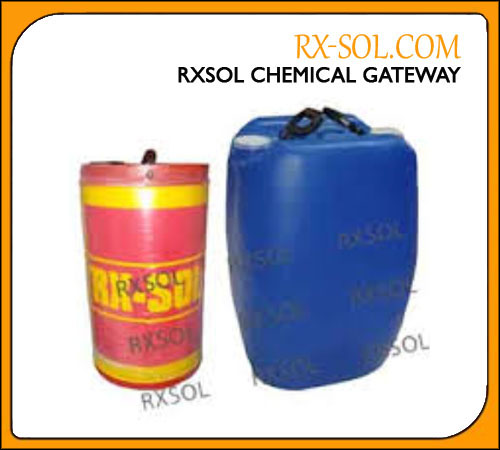
Corrosion Inhibitor Antifoulant Marine Anti Algea Insect Seaweed Barnacles
Part No: RXSOL-40-4025-025
Iodine Titrating Solution Lab Reagent
Application
Dosage
MSDS

| Product Name | Iodine Titrating Solution 0.00625 Normal |
| Product Type | RXSOL-60-6223-100 |
Company Details:
RX MARINE INTERNATIONAL
105, A wing , BSEL , TECH PARK.
VASHI ,NEW BOMBAY 400703 INDIA
| Phone | +91 22 27815540 / 41 / 42 |
| Fax | +91 22 2781 1318 :::AOH :0091 9821214367 |
| mail @ rxmarine.com |

| SARA 313 Component | CAS Number | Percent Comp. |
Dimension |
Exposure Limits |
| Iodine | CAS# 7553-56-2 |
<0.1% |
W/V | OSHA PEL (C)0.1 ppm (1mg/mƒ |
| Potassium Iodide | CAS# 7681-11-0 | ~5% | W/V | TXDS: orl-hmn LDLo:1862 mg/Kg |
| Water, Deionized ASTM Type II | CAS# 7732-18-5 | 90% | V/V | None Established |

May be harmful if swallowed. May cause irritation. Avoid breathing vapors, or dusts. Use with adequate ventilation. Avoid contact with eyes, skin, and clothes. Wash thoroughly after handling.
Emergency Overview:Caution! Can cause severe eye, skin, and respiratory Irritation and burns. Inhalation of vapors and ingestion may be lethal
Inhalation::Vapors severly irritate and can burn the mucous membranes and respiratory tract. Excessive
tears, rhinitis, tightness in the chest, sore throat, headache and delayed pulmonary edema can result. Inhalation of concentrated vapors may be fatal.
Ingestion::Can cause severe burns oth the mouth, throat and stomach causes abdominal pain, diarrhea,
fever, vomiting, stupor and shock. Probable lethal dose is 2 to 4 grams of free Iodine.
Skin:Contact may cause blistering burns, irritation, and pain. Vapors may be severly irritating to the skin.
Eye Contact:Vapors are severly irritating and may cause damage to the eyes. Contact may cause severe
burns and permanent eye damage.
Chronic Exposure::Chronic exposure to Iodine may cause insomnia, conjuctivitis, inflammation of the nasal
mucous, bronchitis, tremor, rapid heart beat, diarrhea and weight loss. Allergic sensitization may occur. Chronic Iodine overdoses have produced Iodism. Headaches, fever, sneezing, salivation, and skin rashes may occur.
Aggravated by Exposure:Persons with pre-existing skin disorders, eye problems, impaired respiratory function, or disease of the thyroid, lungs, or kidney may be more susceptible to the effects of the substance.
May be harmful if swallowed. May cause irritation. Avoid breathing vapors, or dusts.Use with adequate ventilation. Avoid contact with eyes, skin, and clothes. Wash thoroughly after handling.
|
SKIN: |
Wash exposed area with soap and water. If irritation persists, seek medical attention. |
| EYES: | Wash eyes with plenty of water for at least 15 minutes, lifting lids occasionally.Seek Medical Aid. |
| INHALATION: | Remove to fresh air. If not breathing, give artificial respiration. If breathing is difficult, give oxygen |
| INGESTION: | If swallowed, induce vomiting immediately after giving two glasses of water. Never give anything by mouth to an unconscious person. |

|
Fire Extinguisher Type: |
Any means suitable for extinguishing surrounding fire |
| Fire / Explosion Hazards: | None |
| Fire Fighting Procedure: | Wear self-contained breathing apparatus and protective clothing to prevent contact with skin and clothing. |

Absorb spill with inert material, then place in a chemical waste container. Dispose of in a manner consistent with federal, local law
Ventilate Area of Leak or Spill. Keep Unnecessary and Unprotected People away from Areaof Spill. Wear Appropriate Personal Protective Equipment as Specified in Section 7. Contain and Recover Liquid when Possible. Collect Liquid in a Appropriate Container and Absorb with Dry Sand, Vermiculite, Earth or other Inert Substance and Package in a Suitable Container for Disposal. Do Not Flush to Sewer!

Store in a cool dry place. Do not get in eyes, on skin, on clothing. Wash thoroughly after handling

|
Respiratory Protection |
None required |
| Ventilation | Local |
| OTHER | Mechanical |
| Protective Gloves | Gloves to prevent skin exposure as rubber or vinyl |
| EYE PROTECTION | Safety Glasses w/Side Shields |
| Other Protective Equipment | Use safe laboratory handling procedures. |

| BOILING POINT | >95°C |
| VAPOR PRESSURE | not available |
| MELTING POINT | <2°C |
| VAPOR DENSITY | not available |
| EVAPORATION RATE | 1 |
| Appearance /Odors | Brown liquid |
| Flash Point |
Not applicable |
| Specific Gravity | ~1.0 |
| Percent Volatile by | 95% |
| Evaporation Standard | 1 |
| Auto Ignition Temp |
Not applicable |
| Lower Flamm. Limit in Air | Not applicable |
| Upper Flamm. Limit in Air | Not applicable |
| Solubility in Water | Soluble |

|
STABILITY |
Stable |
|
CONDITIONS TO AVOID |
Avoid contact with incompatible materials. |
|
MATERIALS TO AVOID |
Active metals, ammonia, acetylene, acetaldehyde |
|
HAZARDOUS DECOMPOSITION PRODUCTS |
None known. |
|
HAZARDOUS POLYMERIZATION |
will not occur |
| Conditions to Avoid | None known |

Hydrogen Chloride - IARC Category 3, NTP Carcinogen - Known: No

No Information Found..

Disposal should be made in accordance with federal, state and local regulations.
DOT Classification: UN1789, Hydrochloric Acid Solution, 8,PG II
DOT Regulations may change from time to time. Please consult the most recent D.O.T. regulations.

All components listed on TSCA Inventory.

Conditions aggravated/target organs: Persons with pre-existing skin, eye, thyroid, and respiratory disorders, as well as persons with iodine allergies, will be more susceptible. May cause skin and eye irritation. Conditions aggravated: Thyroid disorders, iodine allergies.
Flammability
Health Reactivity
|
Revisions |
NFPA |
| 7/28/2010 | 0.1 updated msds to 16 section from 10 section msds. STN |
| 0 |
The information herein is believed to be accurate and is offered in good faith for the user's consideration and investigation. No warranty either expressed or implied is made for the completeness or accuracy of the information whether originating from the above mentioned company or not. Users of this material should satisfy themselves by independent investigation of current scientific and medical knowledge that the material