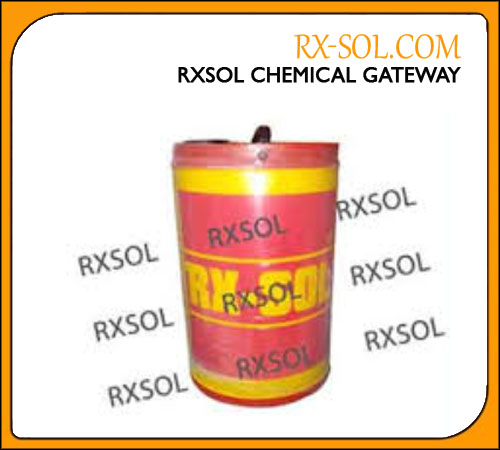
DIPHENYL
Part No: RXSOL-19-1152-050
Economical to use Rapid Activity- Highly Concentrated- Dissolves Encrustation's, Scale, and Stains
BOWL & URINAL HEAVY DUTY CLEANER AND MINERAL REMOVER Economical to use- Rapid Activity- Highly Concentrated- Dissolves Encrustation's, Scale, and Stains
Application
This highly concentrated blend of detergents, inorganic acids, wetting agents, and rinse additives is specifically formulated to keep toilet bowls and urinals bright and sparkling clean. Regular; maintenance use of this product will help to clean traps and lines, aiding in preventing clogs. This product may be used to recondition badly soiled bowls and urinals or for use as a regular maintenance housekeeping product. By removal of mineral scale, organic matter and stains from bowl and urinal surfaces, the source of offensive odors is eliminated.
NOTE: This product is made for use on toilet bowls and urinals only. Do not use on porcelain or enamel bathtubs or wash basins as etching will occur. This product is a heavy duty cleaner hard water remover. Contains 24% Hydrogen Chloride DIRECTIONS FOR CLEANING TOILET BOWLS: For best results - remove as much water as possible. Hold bottle of De-min 24over bowl and apply 2 to 4 ounces of De-min 24to applicator. Swab entire surface of bowl especially under rim at water outlets. Flush toilet and rinse applicator.
MSDS

| Product Name | RXSOL-17-1061 |
| Product Type | Heavy Toilet & Urinal Cleaner / HCL (De-Min 24) |
Company Details:
RX MARINE INTERNATIONAL
105, A wing , BSEL , TECH PARK.
VASHI ,NEW BOMBAY 400703 INDIA
Stock Point : Kandla - Gandhidham, Mumbai, Kolkata, Visakhapatnam, Chennai, Fujairah
| Phone | +91 22 27815541 / 42 |
| Fax | +91 22 2781 1318 :::AOH :0091 9821214367 |
| mail @ rxmarine.com |

|
COMPONENTS-CHEMICAL NAMES AND COMMON NAMES (Hazardous Components 1% or greater; Carcinogens 0.1% or greater)
|
CAS Number |
SARA
III LIST
|
OSHA PEL
(ppm)
|
ACGIH
TLV (ppm)
|
Carcinogen Ref. Source ** |
| HYDROCHLORIC ACID | 7647-01-0 | Yes | 5 | 5 | d |
| Citric Acid | |||||
| Oxalic Acid | |||||
| Phosphoric Acid |

|
PRIMARY ROUTES OF ENTRY: |
[ X ] INHALATION [ ] INGESTION [ X ] SKIN ABSORPTION [ X ] EYE [ ] NOT HAZARDOUS |
|
ACUTE EFFECTS |
|
|
Inhalation: |
Irritant causing burning, choking, coughing, headache. |
|
Eye Contact: |
Irritation, severe burns & permanent damage including blindness. |
|
Skin Contact: |
Burning, irritation, dermatitis. |
|
Ingestion: |
Unlikely route-causes severe burns to internal organs. |
| CHRONIC EFFECTS: | None known. |
| Medical Conditions Generally Aggravated by Exposure: | Skin, eye, mucous membrane irritation. |

|
Eye Contact: |
Wash eyes for 15 minutes. Get immediate medical attention. |
|
Skin Contact: |
Remove contaminated clothing, wash skin with water for 15 minutes. |
|
Inhalation: |
Move to fresh air. Get medical attention. |
|
Ingestion: |
DO NOT INDUCE VOMI T ING. Drink 3 to 4 glasses of water. Get immediate medical attention. |

|
FLAMMABILITY as per USA FLAME PROJECTION TEST (aerosols) |
N/A |
|
Auto Ignition Temperature |
N/A |
|
Flammability Limits in Air by % in Volume: |
|
|
% LEL: |
N/A |
| % UEL: | N/A |
| FLASH POINT AND METHOD USED (non-aerosols): | None |
| SPECIAL FIRE FIGHTING PROCEDURES: |
Wear NIOSH approved breathing apparatus & full protective gear when fighting fires. Spray containers with water to keep cool & prevent ruptures.
|
| EXTINGUISHER MEDIA: | Non-Combustible. |
| Unusual Fire & Explosion Hazards: | Avoid exposure to metals, oxidants which might product flammable hydrogen gas. |

|
STABILITY |
[ X ] STABLE [ ] UNSTABLE |
|
HAZARDOUS |
POLYMERIZATION [ ] WILL [ X ] WILL NOT OCCUR |
|
Incompatibility (Mat. to avoid): |
Bases, metals, mercuric sulfate, carbides of calcium, cesiam, rubidium. |
|
Conditions to Avoid: |
Contact with strong bases can cause violent reaction generating large amounts of heat. |
|
Hazardous Decomposition Products: |
Hydrogen gas. |

|
Steps To Be Taken If Material Is Spilled Or Released: |
Contain fluid by diking. Neutralize with soda ash or baking soda. |
|
Waste Disposal Methods:
|
Neutralize material may be washed down the sewer. Absorbed material to be boxed and disposed of in compliance with local, state and federal regulations.
|
|
Precautions To Be Taken In Handling & Storage: |
Store in closed labeled containers. Keep in cool, metal free area for not more than one year |
| Other Precautions &/or Special Hazards: |
KEEP OUT OF REACH OF CHI LDREN. Do not store near strong alkalies or other reactive materials. |

|
Respiratory Protection (specify type): |
Approved sel f -contained breathing apparatus when use concent rat ions exceed 100 ppm HCI vapors. |
|
Protective Gloves: |
Neoprene. |
|
Eye Protection: |
Chemical goggles or face shield. |
| Ventilation Requirements: | As necessary to maintain air concentration below 5 ppm at all times. |
| Other Protective Clothing & Equipment: | Neoprene or PVC rain suit & boots in case of fire. Safety showers & eyewash stations should be available. |
| Hygienic Work Practices: | Wash hands af ter use. Do not eat , dr ink or smoke in immediate area. |

|
Boiling Point: |
212ºF |
|
Specific Gravity (H2O=1): |
1.05 |
|
Vapor Pressure: PSIG @ 70°F (Aerosols): |
N/A |
|
Vapor Pressure (Non-Aerosols)(mm Hg and Temperature): |
N/A |
|
Vapor Density (Air = 1): |
N/A |
|
Evaporation Rate ( water= 1): |
1 |
|
Solubility in Water: |
Total |
| Water Reactive: |
None |
| Appearance and Odor: | Red / Blue fluid with mint fragrance. |

|
STABILITY |
[ X ] STABLE [ ] UNSTABLE |
|
HAZARDOUS |
POLYMERIZATION [ ] WILL [ X ] WILL NOT OCCUR |
|
Incompatibility (Mat. to avoid):
|
Bases, metals, mercuric sulfate, carbides of calcium, cesiam, rubidium.
|
|
Conditions to Avoid: |
Contact with strong bases can cause violent reaction generating large amounts of heat.
|
|
Hazardous Decomposition Products: |
Hydrogen gas. |

|
Toxicological information |
No experimental data available. |
|
Inhalation |
Irritant causing burning, choking, coughing, headache. |
|
Contact with skin |
In cases of severe exposure, irritation may develop. |
|
Contact with eyes |
Irritation, severe burns & permanent damage including blindness |
|
CHRONIC EFFECTS: |
not known |
|
Ingestion |
Unlikely route-causes severe burns to internal organs. |
|
skin contact |
Burning, irritation, dermatitis. |
| Medical Conditions Generally Aggravated by Exposure: | Skin, eye, mucous membrane irritation. |

....................................

......................................

.....................................

......................................
