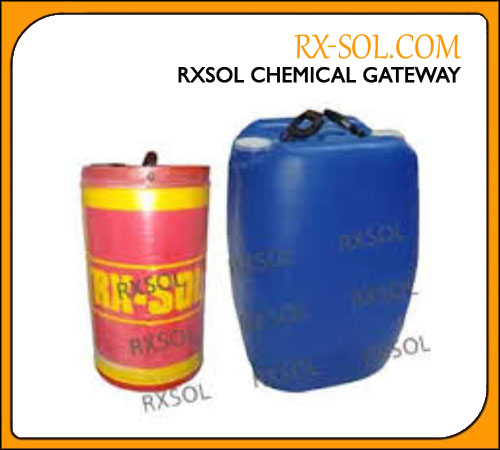
DYE-LOC CR14
Part No: RXSOL-41-8665-025
Ammonium Persulphate is a strong oxidising agent
Ammonium Persulfate manufacturers, suppliers and exporters. Well known Bleaching agent for food starch Ammonium persulfate (NH4)2S2O8 is a strong oxidizing agent. It is very soluble in cold water, a large fall of temperature accompanying solution. It is a radical initiator. It is used to etch copper on printed circuit boards as an alternative to ferric chloride solution. It is also used along with tetramethylethylenediamine to catalyze the polymerization of acrylamide in making a polyacrylamide gel.
Application
AMMONIUM PERSULFATE is a white crystalline solid. A strong oxidizing agent. Does not burn readily, but may cause spontaneous ignition of organic materials. Used as a bleaching agent and as a food preservative.
Ammonium persulfate is a standard ingredient in hair bleach.
Dosage
The most important application for Ammonium Persulfate is in the water-based emulsion polymerisation of organic monomers in aqueous systems. The monomers are either sufficiently soluble in water and precipitate during polymerisation or polymerisation takes place in an aqueous emulsion of the monomers, as with styrene-butadiene and Acrylonitrile.
Other applications of Ammonium Persulphate (APS)
- In the cosmetics industry as a booster for hair bleaches and an oxidizer in hair dyes
- In the paper industry for re-pulping and de-inking
- In order to recover metals and metal salts, for oxidative treatment of high grade metal ores
- In the photographic industry for regenerating bleaching baths for color stock
- For the production of desinfectants
- In-situ decontamination of industrial areas: degradation of chlorinated hydrocarbons
- In Oil Drilling
Technical Specification
Appearance (Colour)White
Solubility (Turbidity) 10% aq. solutionClear
Solubility (Colour) 10% aq. solutionColourless
Assaymin. 99%
Acidity (H2SO4)max. 0.2%
Sulphated Ashmax. 0.05%
Chloride (CI)max. 0.0005%
Iron (Fe)max. 0.001%
Heavy Metals (Pb)max. 0.002%
Manganese (Mn)max. 0.0005%
DNase, RNase, ProteaseNot detected
| C.A.S. | : 7727-54-0 |
| Molecular formula | : (NH4)2S2O8 |
| Molecular weight, g/mol | : 228.18 |
| Appearance | : White crystalline salt |
| APS content (typically) | : 99.2 % w/w |
| Active oxygen (typically) | : 7.0 % w/w |
| Acid content (based on H2SO4,typically) | : 0.05 % |
| Iron content | : 1 mg/kg |
| Bulk density | : 1100 g/l |
| Solubility in water at 10/20/40/60°C | : 550/620/700/835 g/l |
| pH of a 1% solution in water | : 4.0 |
| Decomposition of the product on temperature | : At above 60 °C |
| Moisture Content | : < 0.03 % |
MSDS

| Product Name | Ammonium Persulfate Pwd |
| Part Number | RXSOL-60-6216-025 |
Company Details:
RX MARINE INTERNATIONAL
105, A wing , BSEL , TECH PARK.
VASHI ,NEW BOMBAY 400703 INDIA
Stock Point : Mumbai, Kandla, Chennai, Visakhapatnam, Kolkata, Fujairah, Muscat, Canada
| Phone | +91 22 65113333 / 5555 / 9999 |
| Fax | +91 22 2781 1318 :::AOH :0091 9821214367 |
| 123 @ rxmarine.com | |
| Website | www.rxmarine.com |

| Name of Substance | Cas Number | EC Number | Wight % |
| Ammonium Persulfate | 7727-54-0 | 231-786-5 | 100% |

| Signal Word | Danger |
| Hazard Statements |
H272 May intensify fire; oxidizer. H302 Harmful if swallowed. H315 Causes skin irritation. H317 May cause an allergic skin reaction. H319 Causes serious eye irritation. H334 May cause allergy or asthma symptoms or breathing difficulties if inhaled. H335 May cause respiratory irritation. |
| Precautionary statements - prevention | P280 Wear protective gloves. |
| Precautionary statements - response |
P302 + P352 IF ON SKIN: Wash with plenty of soap and water. |

| Eye Contact |
Check for and remove any contact lenses. In case of contact, immediately flush eyes with plenty of water for at least 15 minutes. Cold water may be used. Get medical attention. |
| Skin Contact | In case of contact, immediately flushes skin with plenty of water for at least 15 minutes while removing contaminated clothing and shoes. Cover the irritated skin with an emollient. Cold water may be used.Wash clothing before reuse. Thoroughly clean shoes before reuse. Get medical attention. |
| Inhalation: | Move to fresh air. If breathing is difficult, give oxygen. Get medical attention immediately if symptoms occur. |
| Ingestion: | Do not induce vomiting. Obtain medical attention.If vomiting occurs, lean patient forward or place on left side (head-down position, if possible) to maintain an open airway and prevent aspiration. |
| Notes to Physician | Treat symptomatically |

| Flammability | May be combustible at high temperature. |
| Flash Point | CLOSED CUP: Higher than 93.3°C (200°F). |
| Suitable extinguishing media | Use extinguishing measures that are appropriate to local circumstances and the surrounding environment. |
|
Hazardous combustion products |
Fire may cause the evolution of Sulphur oxides, nitrogen oxides. |
| Protective Equipment | Use personal protective equipment. |
| Specific Hazards Arising from the Chemical |
Has a fire-promoting effect due to the release of oxygen. Ambient fire may liberate hazardous vapours. |

| Spillage | Oxidizing material. Stop leak if without risk. Avoid contact with a combustible material (wood, paper, oil, clothing...). Keep substance damp using water spray. Do not touch spilled material. Prevent entry into sewers, basements or confined areas dike if needed. Eliminate all ignition sources. Call for assistance on disposal. |
| Personal Protection | Advice for non-emergency personnel: Avoid inhalation of dust. Evacuate the danger area, observe emergency procedures, consult an expert. Advice for emergency responders: Protective equipment see section 8. |
| Enviromental Precaution | Do not let product enter drains. |
|
Methods and materials for containment and cleaning |
Cover drains. Collect, bind, and pump off spills. Observe possible material restrictions (see sections 7 and 10). Take up dry. Dispose of properly. Clean up the affected area. Avoid generation of dust |

| Handling |
Keep away from heat. Keep away from sources of ignition. Keep away from combustible material.. Empty containers pose a fire risk, evaporate the residue under a fume hood. Ground all equipment containing material. Do not ingest. Do not breathe dust. Wear suitable protective clothing. In case of insufficient ventilation, wear suitable respiratory equipment. If ingested, seek medical advice immediately and show the container or the label. Avoid contact with skin and eyes. Keep away from incompatibles such as reducing agents, combustible materials, organic materials, metals |
| Storage |
Strong Oxidizer. Moisture Sensitive. Keep container tightly closed. Keep container in a cool, well-ventilated area. Separate from acids, alkalies, reducing agents and combustibles. See NFPA 43A, Code for the Storage of Liquid and Solid Oxidizers. Do not store above 23°C (73.4°F). |
| Advice on general occupational hygiene | Advice on safe handling Observe label precautions. Change contaminated clothing. Wash hands after working with substance. |

| Engineering Control | Use process enclosures, local exhaust ventilation, or other engineering controls to keep airborne levels below recommended exposure limits. If user operations generate dust, fume or mist, use ventilation to keep exposure to airborne contaminants below the exposure limit. |
| Personal Protection |
Eye/face Protection: Wear appropriate protective eyeglasses or chemical safety goggles as described by OSHA's eye and face protection regulations in 29 CFR 1910.133 or European Standard EN166. Skin and body protection: Wear appropriate protective gloves and clothing to prevent skin exposure. Respiratory Protection : Follow the OSHA respirator regulations found in 29 CFR 1910.134 or European Standard EN 149. Use a NIOSH/MSHA or European Standard EN 149 approved respirator exposure limits are exceeded or if irritation or other symptoms are experienced. |
| Other Protection Measure | Handle in accordance with good industrial hygiene and safety practice. |
| Exposure Limit | Not Available |


Gloves Suit

| Form | Solid |
| Colour | White |
| Odour | Odourless |
| Odor Threshold | Not Applicable |
| pH | 3.2 - 3.5 at 100 g/l 20 °C |
| Melting Point | 120 °C (decomposition) |
| Boiling Point | Not Applicable |
| Flash Point | Not Applicable |
| Evaporation Rate | Not Applicable |
| Flammability (solid, gas) | No Data Available |
| Explosive limits | No Data Available |
| Vapour pressure | No Data Available |
| Vapour Density | No Data Available |
| Specific Gravity | 1.98 g/cm3 at 20 °C |
| Partition coefficient | No data available |
| Explosive properties | None |
| Solubility | Soluble in water 620 g/l at 20 °C |
| Ignition temperature | No information available. |

| Reactivity | Forms explosive mixtures with air on intense heating. |
| Stability | Product is stable. |
| Possibility of hazardous reactions |
Violent reactions possible with: Amines, Strong oxidizing agents Violent polymerisation may be caused by: Strong bases, Strong acids |
| Conditions to avoid | Strong Heating |
| Incompatible materials | Aluminium, various metals, Mild steel |
| Hazardous Polymerization | Hazardous polymerization does not occur. |

| Rout Of Entry | Absorbed through skin. Eye contact. Inhalation. Ingestion. |
| Toxicity to Animal | WARNING: THE LC50 VALUES HEREUNDER ARE ESTIMATED ON THE BASIS OF A 4-HOUR EXPOSURE. Acute oral toxicity (LD50): 100 mg/kg [Mouse]. Acute dermal toxicity (LD50): >2500 mg/kg [Rat]. Acute toxicity of the vapor (LC50): 480 mg/m 4 hours [Rat]. 3 |
| Toxic Effects on Humans |
CARCINOGENIC EFFECTS: Classified A4 (Not classifiable for human or animal.) by ACGIH [Glutaraldehyde]. MUTAGENIC EFFECTS: Mutagenic for mammalian somatic cells. [Glutaraldehyde]. Mutagenic for bacteria and/or yeast. [Glutaraldehyde]. DEVELOPMENTAL TOXICITY: Classified Reproductive system/toxin/female, Reproductive system/toxin/male [SUSPECTED] [Glutaraldehyde]. Contains material which may cause damage to the following organs: blood, the reproductive system, liver, mucous membranes, spleen, central nervous system (CNS), Urinary system. |
| Special Remarks on other Toxic Effects on Humans: |
Potential Health Effects: Eye: Causes severe eye irritation. May cause eye injury or chemical conjunctivitis. Skin: Causes moderate to severe skin irritation. It may be absorbed through the skin, although poorly. May cause allergic contact dermatitis with itching and skin rash. May cause staining of the skin and nails to a brown or golden brown color. Ingestion: Harmful if swallowed. May cause severe irritation of the digestive tract with burning sensation in the chest, abdominal pain, cramping, vomiting, diarrhoea (perhaps bloody diarrhoea), vascular collapse, and coma. May also affect liver (increased liver enzymes, liver damage), spleen, blood (normocytic anemia), metabolism (weight loss), behavior (somnolence, excitement, dizziness, lethargy, ataxia, seizures), metabolism (weight loss), urinary system ( abnormal reneal function, anuria) Inhalation: Harmful if inhaled. Can cause respiratory tract irritation and sudden headaches. |

| Eco Toxicity | Not Available |
| COD and BOD 5 | Not Available |
| Products of Biodegradation: | No Information available |
| Mobility in soil | No Information available |
| Results of PBT and vPvB assessment | Substance(s) in the mixture do(es) not meet the criteria for PBT or vPvB according to Regulation (EC) No 1907/2006, Annex XIII, or a PBT/vPvB assessment was not conducted.. |
| Other adverse effects | Discharge into the environment must be avoided. |

| Waste treatment Method | Waste material must be disposed of in accordance with the national and local regulations. Leave chemicals in original containers. No mixing with other waste. Handle uncleaned containers like the product itself |

DOT
| UN Number | UN1444 |
| Proper shipping name | AMMONIUM PERSULPHATE |
| Hazard Class | 5.1 |
| Packing group | III |
TDG
| UN Number | UN1444 |
| Proper shipping name | AMMONIUM PERSULPHATE |
| Hazard Class | 5.1 |
| Packing group | III |
IATA
| UN Number | UN1444 |
| Proper shipping name | AMMONIUM PERSULPHATE |
| Hazard Class | 5.1 |
| Packing group | III |
IMDG/IMO
| UN Number | UN1444 |
| Proper shipping name | AMMONIUM PERSULPHATE |
| Hazard Class | 5.1 |
| Packing group | III |


| Other Information |
The information above is believed to be accurate and represents the best information currently available to us. However, we make no warranty of merchantability or any other warranty, express or implied, with respect to such information, and we assume no liability resulting from its use. Users should make their own investigations to determine the suitability of the information for their particular purposes. In no event shall be liable for any claims, losses, or damages of any third party or for lost profits or any special, indirect, incidental, consequential or exemplary damages, howsoever arising, even if Rx Marine International has been advised of the possibility of such damages. DISCLAIMER OF LIABILITY :The information in this SDS was obtained from sources which we believe are reliable. However, the information is provided without any warranty, express or implied, regarding its correctness. The conditions or methods of handling, storage, use or disposal of the product are beyond our control and may be beyond our knowledge. For this and other reasons, we do not assume responsibility and expressly disclaim liability for loss, damage or expense arising out of or in any way connected with the handling, storage, use or disposal of the product. This MSDS was prepared and is to be used only for this product. If the product is used as a component in another product, this MSDS information may not be applicable. |