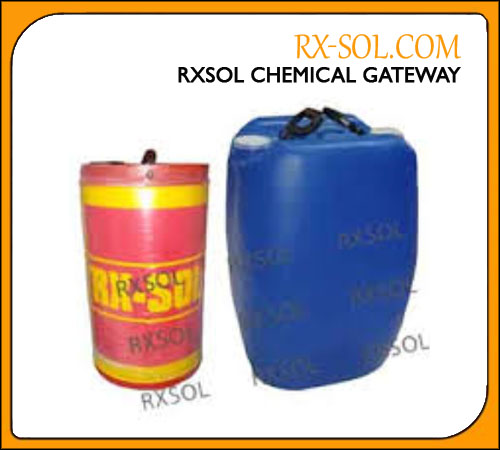
FourGuard Carpet Protector Concentrate
Part No: RXSOL-41-8963-025
N Propyl Bromide NPB vapor degreasing, metal cleaning, and dry cleaning; as a solvent carrier in adhesives
N-Propyl bromide (nPB) or 1-bromopropane supplier and exporter.
Application
N-Propyl bromide (nPB) is a popular dry cleaning solvent and also used in vapor degreasing, metal cleaning. NPB also popular as a solvent carrier in adhesives. NPB replaces trichloroethylene (TCE), methylene chloride, 1,1,1 trichloroethane and many more hazardous solvent.
Dosage
NPB used as an organic cleaning solvent for degreasing, precision cleaning, electronics and metal cleaning applications.
Technical Specification
MSDS

| Product Name | : N Propyl Bromide (NPB) |
| Part Number | : RXSOL-18-1574-250 |
Company Details:
RX MARINE INTERNATIONAL
105, A wing , BSEL , TECH PARK.
VASHI ,NEW BOMBAY 400703 INDI
| Phone | +91 22 27815540 / 41/42 |
| Fax | +91 22 2781 1318 :::AOH :0091 9821214367 |
| mail@rxmarine.com | |
| Website | www.rxmarine.com |

| Name of Substance | Cas Number | Wt.% |
| N-Propyl bromide | 106-94-5 | 100 % |

| Signal Word | Danger |
| Hazard Statements |
H225 Highly flammable liquid and vapour. H315 Causes skin irritation. H319 Causes serious eye irritation. H335 May cause respiratory irritation. H336 May cause drowsiness or dizziness. H360 May damage fertility or the unborn child .sively proven that no other routes of exposure cause the hazard>. H373 May cause damage to organs .ted exposure |
| Precautionary statements - prevention |
P210 Keep away from heat/sparks/open flames/hot surfaces. – No smoking. P260 Do not breathe dust/fume/gas/mist/vapours/spray. P264 Wash hands thoroughly after handling. P280 Wear protective gloves/protective clothing/eye protection/face protection. |
| Precautionary statements -response |
Inhalation : IF INHALED: Remove victim to fresh air and keep at rest in a position comfortable for breathing. Skin : If skin irritation occurs: Get medical advice/attention IF ON SKIN (or hair): Take off immediately all contaminated clothing. Rinse skin with water/shower Wash contaminated clothing before reuse. Eyes : IF IN EYES: Rinse cautiously with water for several minutes. Remove contact lenses, if present and easy to do. Continue rinsing. If eye irritation persists: Get medical advice/attention. Fire: In case of fire: Use CO2, dry chemical, or foam for extinction. Storage: Store locked up. Store in a well-ventilated place. Keep container tightly closed Disposal : Dispose of contents/container to an approved waste disposal plant |

| Skin Contact | Flush skin with water after contact. Wash contaminated clothing before reuse. |
| Eye Contact | Immediate medical attention is required. Rinse immediately with plenty of water, also under the eyelids, for at least 15 minutes. |
| Inhalation: | If inhaled, If inhaled, remove to fresh air. If not breathing, give artificial respiration. If breathing is difficult, give oxygen. Call a physician. |
| Ingestion: | If swallowed, do not induce vomiting. Allow victim to rinse his mouth and then to drink 2-4 cupfuls of water. Never give anything by mouth to an unconscious person. Call a physician. |
| Most important symptoms/effects | Breathing difficulties. . Inhalation of high vapor concentrations may cause symptoms like headache, dizziness, tiredness, nausea and vomiting |

| Flammability | Flammable. |
| Flash Point | CLOSED CUP: 22°C |
| Suitable extinguishing media | Use extinguishing measures that are appropriate to local circumstances and the surrounding environment. Water Spray, Foam, Dry Chemical, CO2. Flammable liquid, soluble or dispersed in water. SMALL FIRE: Use DRY chemical powder. LARGE FIRE: Use alcohol foam, water spray or fog. Cool containing vessels with water jet in order to prevent pressure build-up, autoignition or explosion. |
| Protective Equipment | Use personal protective equipment. |
| Advice for firefighters | Wear self-contained breathing apparatus. Wear full protective equipment. |

| Small Spillage | Dilute with water and mop up, or absorb with an inert dry material and place in an appropriate waste disposal container. |
| Personal Protection | Remove persons to safety. Wear breathing apparatus if exposed to vapours/dust/spray/gases. |
| Enviromental Precaution | Keep away from drains, surface and ground water. Retain contaminated washing water and dispose it. |
|
Methods and materials for containment and cleaning |
Flammable liquid. Keep away from heat. Keep away from sources of ignition. Stop leak if without risk. Absorb with DRY earth, sand or other non-combustible material. Do not touch spilled material. Prevent entry into sewers, basements or confined areas; dike if needed. |

| Handling | Avoid contact with skin and eyes. Do not breathe vapors or spray mist. Use explosion-proof equipment. Use only non-sparking tools. Keep away from open flames, hot surfaces and sources of ignition. To avoid ignition of vapors by static electricity discharge, all metal parts of the equipment must be grounded. Take precautionary measures against static discharges. |
| Storage | Store in a segregated and approved area. Keep container in a cool, well-ventilated area. Keep container tightly closed and sealed until ready for use. Avoid all possible sources of ignition (spark or flame |
| Advice on general occupational hygiene | Wash hands after use. Do not to eat, drink and smoke in work areas. Remove contaminated clothing and protective equipment before entering eating areas. |

| Enginering Control | Provide exhaust ventilation or other engineering controls to keep the airborne concentrations of vapors below their respective threshold limit value. Ensure that eyewash stations and safety showers are proximal to the work-station location. |
| Personal Protection |
Eye/Face Protection : Wear coverall chemical splash goggles or safety glasses. Respirators : Where there is potential for airborne exposures in excess of applicable limits, wear NIOSH/MSHA approved respiratory protection. Protective Clothing Where there is potential for skin contact have available and wear as appropriate Impervious gloves, apron, pants, hood and jacket. |
|
Exposure Limits: |
N Propyl Bromide |
| Other Protection Measure | Handle in accordance with good industrial hygiene and safety practice. |


Gloves Suit

| Form | Liquid |
| Colour | Clear |
| Odour | Aromatic |
| Boiling point and boiling range | 71°C / 159.8 °F @ 760 mmHg |
| Flash Point | 22°C (Close Cup) |
| Melting Point | -110 °C |
| Specific Gravity (20 °C | 1.353 (Water = 1) |
| pH | Not Applicable |
| Evaporation Rate | No information available |
| Solubility | No information available |
| Flammability (solid,gas) | Not Applicable |
| Flammability or explosive limits | Not Available |
| Vapor Pressure | 146 mmHg @ 20 °C |
| Vapour density | 4.34 (Air = 1.0) |
| Partition coefficient; n-octanol/water |
No data available |
| Autoignition Temperature | 490 °C / 914 °F |
| Viscosity | 0.52 mPa.s at 20 °C |
| Molecular Formula | C3 H7 Br |
| Molecular Weight | 122.99 |

| Recativity | None known, based on information available |
| Stability | Stable at normal temperatures and storage conditions. |
| Conditions to Avoid | Keep away from open flames, hot surfaces and sources of ignition. Incompatible products. |
| Incompatible materials | Strong oxidizing agents, Strong bases, Metals |
| Hazardous combustion products | Carbon monoxide (CO), Carbon dioxide (CO2), Hydrogen halides |
| Polymerization | Will not occur. |

| Routes of Entry | Absorbed through skin. Eye contact. Inhalation. Ingestion. |
|
Toxicity to Animals: |
WARNING: THE LC50 VALUES HEREUNDER ARE ESTIMATED ON THE BASIS OF A 4-HOUR EXPOSURE. Acute toxicity of the vapor |
| Chronic Effects on Humans: | May cause damage to the following organs: blood, liver, central nervous system (CNS). |
|
Other Toxic Effects on Humans: |
Hazardous in case of skin contact (irritant), of ingestion, of inhalation. Slightly hazardous in case of skin contact (permeator). |
| Special Remarks on Toxicity to Animals: | Lowest Published Lethal Dose/Conc: LDL [Rat] - Route: Oral; Dose: 4000 mg/kg |
| Special Remarks on Chronic Effects on Humans: | May cause adverse reproductive effects based on animal test data Special Remarks on other Toxic Effects on Humans: |
| Acute Potential Health Effects: |
Skin: Causes eye irritation. Eyes: Causes eye irritation. Inhalation: It may cause respiratory tract and mucous membrane irritation and may affect respiration. Vapors may cause dizziness and suffocation. Inhalation of high concentrations may affect behavior/central nervous system (CNS depression) characterized by nausea, headache, dizziness, somnolence, unconsciousness and coma. It may also cause liver and kidney damage, lung injury, weight loss/ anorexia, bone marrow changes, and blood abnormalties |

| Ecotoxicity | Not Available |
| Bioaccumulation/ Accumulation | Not available. |
| BOD5 and COD | Not available. |
| Products of Biodegradation | Possibly hazardous short term degradation products are not likely. However, long term degradation products may arise. Toxicity of the Products of Biodegradation: The products of degradation are less toxic than the product itself. |

| Remarks | Please consider the relevant national or regional provisions. Waste shall be separated into the categories that can be handled separately by the local or national waste management facilities. |
| Waste Disposal | Waste should be disposed of in according to local rule and regulation. |

DOT
| UN Number | 2344 |
| Proper shipping name | Bromopropanes |
| Hazard Class | 3 |
| DOT Labs | Flalmable Liquid |
| Packing group | II |
TDG
| UN Number | 2344 |
| Proper shipping name | Bromopropanes |
| Hazard Class | 3 |
| TDG Labs | Flalmable Liquid |
| Packing group | II |
IATA
| UN Number | 2344 |
| Proper shipping name | Bromopropanes |
| Hazard Class | 3 |
| IATA Labs | Flalmable Liquid |
| Packing group | II |
IMDG
| UN Number | 2344 |
| Proper shipping name | Bromopropanes |
| Hazard Class | 3 |
| IMDG Labs | Flalmable Liquid |
| Packing group | II |

| Fedral and State Regulation | Pennsylvania RTK: 1-Bromopropane Florida: 1-Bromopropane Massachusetts RTK: 1-Bromopropane TSCA 8(b) inventory: 1- Bromopropane |
| Other Regulation |
OSHA: Hazardous by definition of Hazard Communication Standard (29 CFR 1910.1200). EINECS: This product is on the European Inventory of Existing Commercial Chemical Substances. |
| WHMIS (Canada) | CLASS B-2: Flammable liquid with a flash point lower than 37.8°C (100°F). |
| DSCL (EEC) | R10- Flammable. R20- Harmful by inhalation. S9- Keep container in a well-ventilated place. S24- Avoid contact with skin. |
| HMIS | |
| Health Hazard | : 2 |
| Fire Hazard | : 3 |
| Reactivity | : 0 |
| Personal Protection | : H |
| Fire : | |
| Health Hazard | : 2 |
| Fire Hazard | : 3 |
| Reactivity | : 0 |
| Specific Hazard | : |

| Other Information |
The information above is believed to be accurate and represents the best information currently available to us. However, we make no warranty of merchantability or any other warranty, express or implied, with respect to such information, and we assume no liability resulting from its use. Users should make their own investigations to determine the suitability of the information for their particular purposes. In no event shall be liable for any claims, losses, or damages of any third party or for lost profits or any special, indirect, incidental, consequential or exemplary damages, howsoever arising, even if RX Marine International has been advised of the possibility of such damages. DISCLAIMER OF LIABILITY :The information in this SDS was obtained from sources which we believe are reliable. However, the information is provided without any warranty, express or implied, regarding its correctness. The conditions or methods of handling, storage, use or disposal of the product are beyond our control and may be beyond our knowledge. For this and other reasons, we do not assume responsibility and expressly disclaim liability for loss, damage or expense arising out of or in any way connected with the handling, storage, use or disposal of the product. This MSDS was prepared and is to be used only for this product. If the product is used as a component in another product, this MSDS information may not be applicable. |