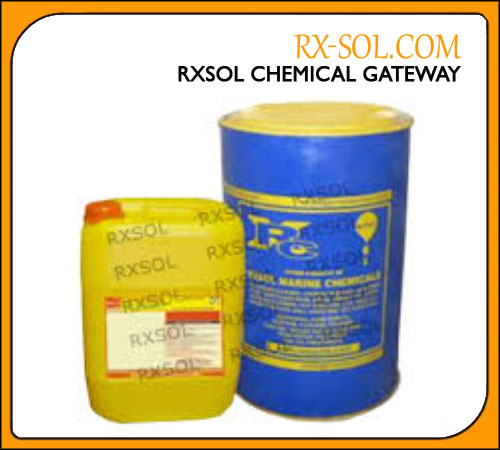
Mto Kerosene
Part No: RXSOL-19-1383-210
PHOSPHOROUS TRICHLORIDE
Application
Dosage
Technical Specification
|
||||||||||||||||||||||||||||||
MSDS

| Product Name | PHOSPHOROUS TRICHLORIDE |
| Part Number | RXSOL-19-1611-025 |
Company Details:
RX MARINE INTERNATIONAL
105, A wing , BSEL , TECH PARK.
VASHI ,NEW BOMBAY 400703 INDIA
Branch : Kandla, Mumbai , Chennai, Vizag, Kolkata, UAE , OMAN , CANADA and KENYA
| Phone | +91 22 20871200 - 1400 |
| Fax | +91 22 27612100 :::AOH :0091 9821214367 |
| mail @ rxmarine.com | |
| Website | www.rxmraine.comA |

| Chemical Name | CAS | EC number | Weight | Formula |
| Phosphorus trichloride | 7719-12-2 | 231-749-3 | <= 100 % | PCl3 |
| Phosphoryl trichloride | 10025-87-3 | 233-046-7 | >= 0,1 - < 1 % | PCl3 |

| Signal Word | Danger |
| Hazard Statements | H300 + H330 Fatal if swallowed or if inhaled. H314 Causes severe skin burns and eye damage. H373 May cause damage to organs (Respiratory Tract) through prolonged or repeated exposure if inhaled. |
| Precautionary statements | P260 Do not breathe dust/ fume/ gas/ mist/ vapors/ spray. P280 Wear protective gloves/ protective clothing/ eye protection/ face protection. P303 + P361 + P353 IF ON SKIN (or hair): Take off immediately all contaminated clothing. Rinse skin with water. P304 + P340 + P310 IF INHALED: Remove person to fresh air and keep comfortable for breathing. Immediately call a POISON CENTER/ doctor. P305 + P351 + P338 IF IN EYES: Rinse cautiously with water for several minutes. Remove contact lenses, if present and easy to do. Continue rinsing. P314 Get medical advice/ attention if you feel unwell. |
| Classification of the substance or mixture | Not a hazardous substance or mixture according to Regulation (EC) No 1272/2008. |
| Supplemental Hazard Statements | EUH014 Reacts violently with water. EUH029 Contact with water liberates toxic gas. |
| Other hazards | This substance/mixture contains no components considered to be either persistent, bioaccumulative and toxic (PBT), or very persistent and very bioaccumulative (vPvB) at levels of 0.1% or higher. |

| General advice | First aiders need to protect themselves. Show this material safety data sheet to the doctor in attendance. |
| If inhaled | After inhalation: fresh air. Immediately call in physician. If breathing stops: immediately apply artificial respiration, if necessary also oxygen. |
| Eye Contact | After eye contact: rinse out with plenty of water. Immediately call in ophthalmologist. Remove contact lenses. |
| Swallowed | If swallowed: give water to drink (two glasses at most). Seek medical advice immediately. In exceptional cases only, if medical care is not available within one hour, induce vomiting (only in persons who are wide awake and fully conscious), administer activated charcoal (20 - 40 g in a 10% slurry) and consult a doctor as quickly as possible. Do not attempt to neutralise. |
| Skin Contact | In case of skin contact: Take off immediately all contaminated clothing. Rinse skin with water/ shower. Call a physician immediately. |
| Inhalation | Remove patient to fresh air, keep warm and at rest and get medical assistance in necessary. |
| Ingestion | Rinse mouth with water. Do not induce vomiting. Never give anything by mouth to an unconscious person. Call a doctor or Poison Control Center immediately. |
| Most important symptoms and effects, both acute and delaye | The most important known symptoms and effects are described in the labelling (see section 2.2) and/or in section 11 |
| Indication of any immediate medical attention and special treatment needed | No data available |

| Flammability | Use water spray, alcohol-resistant foam, dry chemical or carbon dioxide. |
| Flash Point | Dry powder Dry sand |
| Suitable extinguishing media | Carbon dioxide (CO2) Dry powder |
| Unsuitable extinguishing media | Foam Water |
| Special hazards arising from the substance or mixture | Oxides of phosphorus Hydrogen chloride gas Not combustible. Fire may cause evolution of: Hydrogen chloride gas, Oxides of phosphorus Caution! in contact with water product releases: Oxides of phosphorus, Hydrogen chloride gas May not get in touch with: Water Ambient fire may liberate hazardous vapours. |
| Further information | Suppress (knock down) gases/vapors/mists with a water spray jet. Prevent fire extinguishing water from contaminating surface water or the ground water system. |
|
Hazardous combustion products |
Fire may cause the evolution of Sulphur oxides, nitrogen oxides. |
| Advice for firefighters | Stay in danger area only with self-contained breathing apparatus. Prevent skin contact by keeping a safe distance or by wearing suitable protective clothing. |
| Protective Equipment | Use personal protective equipment. |
| Specific Hazards Arising from the Chemical | Oxides of phosphorus Sodium oxides Not combustible. Fire may cause evolution of: Oxides of phosphorus Ambient fire may liberate hazardous vapours. |

| Personal precautions, protective equipment and emergency procedures | Advice for non-emergency personnel: Do not breathe vapors, aerosols. Avoid substance contact. Ensure adequate ventilation. Evacuate the danger area, observe emergency procedures, consult an expert. For personal protection see section 8 |
| Spillage | Oxidizing material. Stop leak if without risk. Avoid contact with a combustible material (wood, paper, oil, clothing...). Keep substance damp using water spray. Do not touch spilled material. Prevent entry into sewers, basements or confined areas dike if needed. Eliminate all ignition sources. Call for assistance on disposal. |
| Enviromental Precaution | Do not let product enter drains. |
|
Methods and materials for containment and cleaning |
Cover drains. Collect, bind, and pump off spills. Observe possible material restrictions (see sections 7 and 10). Take up carefully with liquid-absorbent material (e.g. Chemizorb®). Dispose of properly. Clean up affected area. |

| Advice on protection against fire and explosion | Work under hood. Do not inhale substance/mixture. Avoid generation of vapours/aerosols. Keep workplace dry. Do not allow product to come into contact with water. |
| Incompatible materials | Keep away from alkalis, strong oxidizing agents and metals. Provide containment walls of adequate capacity to hold any accidental spills. |
| Hygiene measures | Immediately change contaminated clothing. Apply preventive skin protection. Wash hands and face after working with substance. For precautions see section 2.2 |
| Precautions for safe handling | For precautions see section 2.2. |
| Storage conditions | Tightly closed. Keep in a well-ventilated place. Keep locked up or in an area accessible only to qualified or authorized persons. Never allow product to get in contact with water during storage. Recommended storage temperature see product label. |
| Storage class | Storage class (TRGS 510): 6.1B: Non-combustible, acute toxic Cat. 1 and 2 / very toxic hazardous materials |
| Specific end use(s) | Apart from the uses mentioned in section 1.2 no other specific uses are stipulated |
| Advice on general occupational hygiene | Advice on safe handling Observe label precautions. Change contaminated clothing. Wash hands after working with substance. |
| Requirements for storage | Keep in cool and store under shade. |

| Exposure controls | Appropriate engineering controls Handle in accordance with good industrial hygiene and safety practice. Wash hands before breaks and at the end of workday. |
| Control parameters | Ingredients with workplace control parameters Contains no substances with occupational exposure limit values. |
| Engineering Control | Handle in accordance with good industrial hygiene and safety practice. Wash hands before breaks and at the end of workday. |
| Eye/face protection | Use equipment for eye protection tested and approved under appropriate government standards such as NIOSH (US) or EN 166(EU). Safety glasses |
| Body Protection | Protective clothing |
| Skin protection | This recommendation applies only to the product stated in the safety data sheet, supplied by us and for the designated use. When dissolving in or mixing with other substances and under conditions deviating from those stated in EN374 please contact the supplier of CE-approved gloves (e.g. KCL GmbH, D-36124 Eichenzell, Internet: www.kcl.de). Full contact Material: Viton® Minimum layer thickness: 0,7 mm Break through time: 480 min Material tested:Vitoject® (KCL 890 / Aldrich Z677698, Size M) This recommendation applies only to the product stated in the safety data sheet, supplied by us and for the designated use. When dissolving in or mixing with other substances and under conditions deviating from those stated in EN374 please contact the supplier of CE-approved gloves (e.g. KCL GmbH, D-36124 Eichenzell, Internet: www.kcl.de). Splash contact Material: Nitrile rubber Minimum layer thickness: 0,4 mm Break through time: 10 min Material tested:Camatril® (KCL 730 / Aldrich Z677442, Size M) |
| Respiratory protection | Recommended Filter type: Filter B-(P2) The entrepeneur has to ensure that maintenance, cleaning and testing of respiratory protective devices are carried out according to the instructions of the producer. These measures have to be properly documented. |
| Other Protection Measure | Handle in accordance with good industrial hygiene and safety practice. |
| Control of environmental exposure | Do not let product enter drains. |

| Physical state | Liquid |
| Colour | Colorless |
| Odour | Pungent |
| Odor Threshold | No data available |
| pH | No data available |
| Melting Point | 93,6 °C at 1.013 hPa |
| Boiling Point | 76,1 °C at 1.013 hPa |
| Flash Point | No data available |
| Evaporation Rate | Not Applicable |
| Flammability (solid, gas) | No data available |
| Explosive limits | No Data Available |
| Upper/lower flammability or explosive limits | No data available |
| Autoignition temperature | No data available |
| Decomposition temperature | No data available |
| Vapour pressure | 159,98 hPa at 25 °C |
| Density | 1,57 g/cm3 at 21 °C |
| Relative Density | No data available |
| Relative vapor density | 4,74 - (Air = 1.0) |
| Freezing point | No data available |
| Viscosity | No data available |
| Partition coefficient | No data available |
| Explosive properties | No data available |
| Solubility | No data available |
| Ignition temperature | No information available. |
| Particle characteristics | No data available |

| Reactivity | Reacts violently with water. Contact with water liberates toxic gas. |
| Stability | Sensitive to moisture |
| Possibility of hazardous reactions | Exothermic reaction with: Water bases Aluminum Amines Iodine chloride Hydrocarbons Organic Substances Oxidizing agents sulfuric acid Selenium dioxide Reducing agents Risk of explosion with: Oxygen Nitric acid sodium Potassium acetic acid Peroxides dimethyl sulfoxide Alkali metals chromyl chloride Ammonia alkalines Risk of ignition or formation of inflammable gases or vapours with: Fluorine hydroxylamine Violent reactions possible with: The generally known reaction partners of water. |
| Conditions to avoid | Do not allow water to enter container because of violent reaction. Light. Exposure to moisture. Moisture. |
| Incompatible materials | No data available |
| Hazardous decomposition products | In the event of fire: see section 5 |

| Acute toxicity | Acute toxicity estimate Oral - 18,05 mg/kg (Calculation method) LD50 Oral - Rat - 18 mg/kg Remarks: Behavioral:Food intake (animal). Lungs, Thorax, or Respiration:Chronic pulmonary edema. Gastrointestinal:Peritonitis. (RTECS) Acute toxicity estimate Inhalation - 4 h - 0,5857 mg/l - vapor(Calculation method) LC50 Inhalation - Rat - female - 4 h - 0,586 mg/l - vapor (OECD Test Guideline 433) Dermal: No data available |
| Skin corrosion/irritation | Skin - Rabbit Result: Causes severe burns. (OECD Test Guideline 404) |
| Serious eye damage/eye irritation | Eyes - Rabbit Result: Corrosive (OECD Test Guideline 405) |
| Respiratory or skin sensitization | No data available |
| Toxic Effects on Human | May cause damage to the following organs: upper respiratory tract. Other Toxic Effects on Humans: Hazardous in case of skin contact (irritant, sensitizer), of ingestion, of inhalation (lung irritant, lung sensitizer). |
| Carcinogenicity | No data available |
| Germ cell mutagenicity | Test Type: Ames test Test system: Salmonella typhimurium Metabolic activation: with and without metabolic activation Method: OECD Test Guideline 471 Result: negative Test Type: in vivo assay Species: Mouse Application Route: Intraperitoneal Result: negative |
| Reproductive toxicity | No data available |
| Specific target organ toxicity - single exposure | No data available |
| Special Remarks on other Toxi Effects on Humans | Acute Potential Health Effects: Skin: Causes skin irritation. May cause skin sensitization, an allergic reation, which becomes evident upon re-exposure to this material. Eyes: Causes eye irritation. Ingestion: Causes gastrointestinal (digestive) tract irritation with nausea, vomiting, and diarrhea. May be harmful if swallowed. Inhalation: Causes respiratory tract irritation. May cause chemical pneumonitis and pulmonary edema, inflammation, edema of bronchi and larynx. Chronic Potential Health Effects: Repeated or prolonged skin exposure may cause allergic reactions in sensitive individuals. Repeated or prolonged exposure by inhalation may affect respiration and metabolism. |
| Endocrine disrupting properties | The substance/mixture does not contain components considered to have endocrine disrupting properties according to REACH Article 57(f) or Commission Delegated regulation (EU) 2017/2100 or Commission Regulation (EU) 2018/605 at levels of 0.1% or higher. Material is extremely destructive to tissue of the mucous membranes and upper respiratory tract, eyes, and skin., Cough, Shortness of breath, Headache, Nausea To the best of our knowledge, the chemical, physical, and toxicological properties have not been thoroughly investigated. |

| Bioaccumulative potential | No data available |
| Persistence and degradability | The methods for determining biodegradability are not applicable to inorganic substances. Chemical Oxygen Demand (COD) 116 mg/g Remarks: (External MSDS) |
| Toxicity to fish | Static test LC50 - Danio rerio (zebra fish) - > 1.000 mg/l - 96 h (OECD Test Guideline 203) |
| Toxicity to daphnia and other aquatic invertebrates | Static test EC50 - Daphnia magna (Water flea) - 35,4 mg/l - 48 h (OECD Test Guideline 202) |
| Toxicity to algae | Static test ErC50 - Desmodesmus subspicatus (green algae) - 33,41 mg/l - 72 h (Regulation (EC) No. 440/2008, Annex, C.3) NOEC - Desmodesmus subspicatus (green algae) - 12,5 mg/l - 72 h (Regulation (EC) No. 440/2008, Annex, C.3) |
| Toxicity to bacteria | Static test EC50 - activated sludge - 563 mg/l - 3 h (OECD Test Guideline 209) Remarks: (in analogy to similar products) The value is given in analogy to the following substances: sodium hypochlorite solution |
| Mobility in soil | No Information available |
| Results of PBT and vPvB assessment | This substance/mixture contains no components considered to be either persistent, bioaccumulative and toxic (PBT), or very persistent and very bioaccumulative (vPvB) at levels of 0.1% or higher. |
| Endocrine disrupting properties | The substance/mixture does not contain components considered to have endocrine disrupting properties according to REACH Article 57(f) or Commission Delegated regulation (EU) 2017/2100 or Commission Regulation (EU) 2018/605 at levels of 0.1% or higher. |
| Other adverse effects | Biological effects: The following may develop after reaction of the product with water: hydrochloric acid phosphoric acid After hydrolysis acid effect on fish and plankton. Discharge into the environment must be avoided. |

| Disposal methods | The material can be disposed of by removal to a licensed chemical destruction plant or by controlled incineration with flue gas scrubbing. Do not contaminate water, foodstuffs, feed or seed by storage or disposal. Do not discharge to sewer systems. |
| Contaminated packaging | Dispose of as unused product. |
| Waste treatment Method | See www.retrologistik.com for processes regarding the return of chemicals and containers, or contact us there if you have further questions. |

| UN number | ADR/RID: 1809 IMDG: 1809 IATA: 1809 |
| UN proper shipping name | ADR/RID:PHOSPHORUS TRICHLORIDE , IMDG:PHOSPHORUS TRICHLORIDE , IATA:PHOSPHORUS TRICHLORIDE |
| Transport hazard class(es) | ADR/RID: 6.1 (8) IMDG: 6.1 (8) IATA: 6.1 (8) |
| Packaging group | ADR/RID: I IMDG: I IATA: I |
| Environmental hazards | ADR/RID: NO IMDG: NO IATA: NO |
| Further information | No data available |

| Inventory status | Components are on the following inventories: Polymaleic acid: - US TSCA, Canadian DSL, EU EINECS, Australian AICS, Korean, Philippine PICCS and Chinese Xi irritant R 36/38 Irritant to eyes & skin R 41 Risk of serious damage to eyes S24/25 Avoid contact with skin and eyes S26/28 In case of contact eyes & skin, rinse with plenty water and seek medical advice Section 312/313: Not listed. Not listed under California proposition 65. |
| Safety, health and environmental regulations/legislation specific for the substance or mixture | This material safety data sheet complies with the requirements of Regulation (EC) No. 1907/2006. |
| Authorisations and/or restrictions on use | REACH - Candidate List of Substances of Very High Concern for Authorisation (Article 59). : potassium chromate This product contains a substance listed on Annex XIV of the REACH Regulation (EC) Nr. 1907/2006. Listed substance / Sunset Date : potassium chromate / 21.09.2017 After the sunset date the use of this substance requires either an authorization or can only be used for exempted uses, e.g. use in scientific research and development which includes routine analytics or use as intermediate.REACH - Restrictions on the manufacture, placing on the market and use of certain dangerous substances, mixtures and articles (Annex XVII) : potassium chromate |
| National legislation | Seveso III: Directive 2012/18/EU of the European Parliament and of the Council on the control of major-accident hazards involving dangerous substances. H2 ACUTE TOXIC O1 OTHER HAZARDS O3 OTHER HAZARDS |
| Other regulations | Observe work restrictions regarding maternity protection in accordance to Dir 92/85/EEC or stricter national regulations where applicable. Take note of Dir 94/33/EC on the protection of young people at work. |
| Chemical Safety Assessment | For this product a chemical safety assessment was not carried out |

| Other Information |
The information above is believed to be accurate and represents the best information currently available to us. However, we make no warranty of merchantability or any other warranty, express or implied, with respect to such information, and weassume no liability resulting from its use. Users should make their own investigations to determine the suitability of the information for their particular purposes. In no event shall be liable for any claims, losses, or damages of any third party or for lost profits or any special, indirect, incidental, consequential or exemplary damages, howsoever arising, even if Rx Marine International has been advised of the possibility of such damages. DISCLAIMER OF LIABILITY :The information in this SDS was obtained from sources which we believe are reliable. However, the information is provided without any warranty, express or implied, regarding its correctness. The conditions or methods of handling, storage, use or disposal of the product are beyond our control and may be beyond our knowledge. For this and other reasons, we do not assume responsibility and expressly disclaim liability for loss, damage or expense arising out of or in any way connected with the handling, storage, use or disposal of the product. This MSDS was prepared and is to be used only for this product. If the product is used as a component in another product, this MSDS information may not be applicable. |