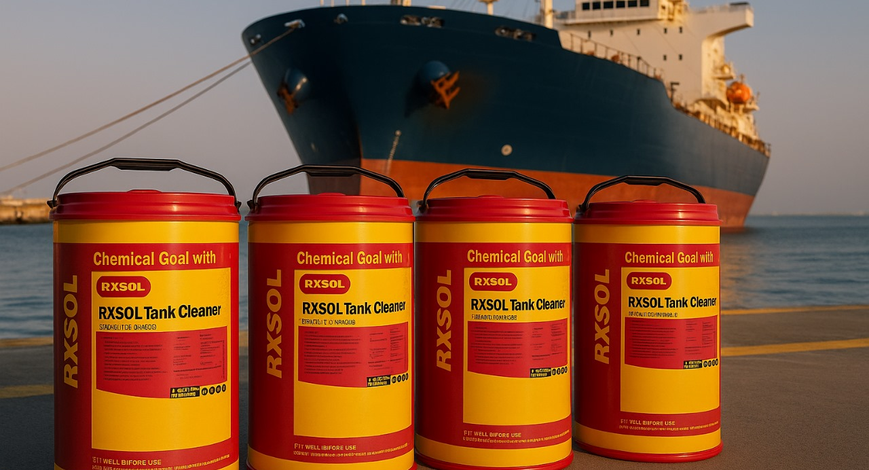
Seawater Hydrometer
Part No: RXSOL-61-2879-001
It is a Low /Medium Molecular weight sodium Polyacrylate Copolymer used to Reduce Fluid loss in Fresh water and Sea Water mud systems
Sodium polyacrylate is water super-absorbent also popular as waterlock polymer, Sodium Acrylate polymer has the ability to absorb 100 to 1000 times its mass in water.
Fluid Loss Control Additive for Fresh water and Sea Water based Systems and also functions as a shale Stabilizer
Application
Sodium Polyacrylate Thinner is a Low /Medium Molecular weight sodium Polyacrylate Copolymer used to Reduce Fluid loss in Fresh water and Sea Water mud systems. It is not subject to bacterial Degradation and can function in High temperature environments.
Dosage
Sodium polyacrylate is widely known as a polymer with the chemical formula (C3H3O2Na) n, Sodium Polyacrylate is a superabsorbent polymer (SAP). Sodium Acrylate has remarkable powerfull water-absorbing properties, making it valuable in various applications, ranging from personal care products to industrial and environmental uses.
Technical Specification
Pysical and Chemical Properties :
| Appearance/Odor | White Granular Powder, no odor |
| pH | 5.5 – 6.5 (1% in water) |
| Vapor Pressure | < 10 mm Hg |
| Vapor Density | NE |
| Melting Point | > 390 ºF |
| Freezing Point | NA |
| Boiling Point | NA |
| Solubility in Water | Insoluble |
| Evaporation Rate (%) | < 1.0 |
| Specific Gravity |
0.4 – 0.7 g/ml |
MSDS

| Product Name | Sodium Polyacrylate |
| Product Type | RXSOL-81-8132-025 |
Company Details:
RX MARINE INTERNATIONAL
105, A wing , BSEL , TECH PARK.
VASHI ,NEW BOMBAY 400703 INDIA
Stock Point : Mumbai, Barka - Oman, Fujairah, Chennai, Visakhapatnam, Kolkata, Gandhidham
| Phone | +91 22 27815541 / 42 / 43 |
| Fax | +91 22 2781 1318 :::AOH :0091 9821214367 |
| mail @ rxmarine.com |

| Name | CAS# | % by Weight |
| Sodium Polyacrylate | 9003-04-7 |
|

| EMERGENCY OVERVIEW |
Sodium polyacrylate is a white, granular, odorless polymer that yields a gel-like material with the addition of water. It is insoluble in water and causes extremely slippery conditions when wet. Although not regulated as a hazardous material, the respirable dust is potential respiratory tract irritant. The manufacturer recommends an eight-hour exposure limit of 0.05 mg/m³. |
| INHALATION | Exposure to respirable dust may cause respiratory tract and lung irritation and may aggravate existing respiratory conditions. |
| INGESTION | Although not a likely route of entry, tests have shown that polyacrylate absorbents are non-toxic if ingested. However, as in any instance of non-food consumption, seek medical attention in the event of any adverse symptoms. |
| SKIN | Exposure to the dust, such as in manufacturing, may aggravate existing skin conditions due to drying effect. |
| EYES | Dust may cause burning, drying, itching, and other discomfort, resulting in reddening of the eyes. |

|
Eye Contact |
Immediately flush with plenty of water. Remove particles remaining under the eyelids. Get medical attention if irritation persists. |
|
SkinContact |
Remove polyacrylate absorbent dust from skin using soap and water. |
|
Inhalation |
If inhaled, move to source of fresh air. Seek medical attention if symptoms persist. |
| Ingestion | Non-toxic by ingestion. However, if adverse symptoms appear, seek medical attention. |

| General Fire Hazards | No recognized fire hazards associated with the finished product. |
| Fire and Explosive Properties: | |
| Flammability Classification | None |
| Flash Point | NA |
| Flammable Limits: | |
| Upper | NE |
| Lower | NE |
| Hazardous Combustion Products | None known. |
| Extinguishing Media | Dry chemical, foam, carbon dioxide, and water fog. Extremely slippery conditions are created if spilled product comes in contact with water. |
| Fire Fighting Instructions | Firefighters should wear full protective clothing including self-contained breathing apparatus. |

Containment Procedures:
Sweep or vacuum material when possible and shovel into a waste container.
Clean up procedures:
Use caution after contact of product with water, as extremely slippery conditions will result. Residuals maybe flushed with water into the drain for normal wastewater treatment. This is a non-hazardous waste suitable for disposal in an approved solid waste landfill.
Evacuation Procedures:
None required.
Special Procedures:
Avoid respirable dust inhalation during clean up. Wear appropriate respirator.

|
Handling |
Handle as an eye and respiratory tract irritant. |
| Storage | Store in a dry, closed container. |

|
Engineering Controls |
Provide local exhaust ventilation to maintain worker exposure to less than 0.05 mg/m³ over an eight-hour period. |
| PERSONAL PROTECTIVE EQUIPMENT: |
|
| Personal Protective Equipments: Eyes/Face |
Wear safety glasses with side shields or goggles. |
| Personal Protective Equipments: Skin | Use impervious gloves when handling the product in the manufacturing environment. |
| Personal Protective Equipments |
Respiratory Wear respirator with a high efficiency filter is particulate concentration in the work area exceeds 0.05 mg/m³ over an eight hour time period |
| Personal Protective Equipments: General | Obey reasonable safety precautions and practice good housekeeping. Wash thoroughly after handling. |

| Appearance/Odor | White Granular Powder, No Odor |
| pH | 5.5 – 6.5 (1% in water) |
| Specific Gravity (Bulk Density) | 0.4 – 0.7 g/ml |
| Vapor Pressure | < 10 mm Hg |
| Vapor Density | NE |
| Melting Point | > 390 ºF |
| Freezing Point | NA |
| Boiling Point | NA |
| Solubility in Water | Insoluble |
| Evaporation Rate (%) | < 1.0 |

|
Stability |
This material is chemically stable under normal and anticipated storage and handling conditions. |
|
Chemical Stability |
|
|
Conditions to Avoid |
None |
| Incompatibility | None |
| Hazardous Decomposition Products | Decomposition above 200 ºC |
| Hazardous Polymerization | Will not occur. |

| EMERGENCY OVERVIEW |
Sodium polyacrylate is a white, granular, odorless polymer that yields a gel-like material with the addition of water. It is insoluble in water and causes extremely slippery conditions when wet. Although not regulated as a hazardous material, the respirable dust is potential respiratory tract irritant. The manufacturer recommends an eight-hour exposure limit of 0.05 mg/m³. |
| INHALATION | Exposure to respirable dust may cause respiratory tract and lung irritation and may aggravate existing respiratory conditions. |
| INGESTION | Although not a likely route of entry, tests have shown that polyacrylate absorbents are non-toxic if ingested. However, as in any instance of non-food consumption, seek medical attention in the event of any adverse symptoms. |
| SKIN | Exposure to the dust, such as in manufacturing, may aggravate existing skin conditions due to drying effect. |
| EYES | Dust may cause burning, drying, itching, and other discomfort, resulting in reddening of the eyes. |

Ecotoxicity
A: General Product Information:
Composted polyacrylate absorbents are non-toxic to aquatic or terrestrial organisms at predicted exposure levels.
B: Component Analysis – Ecotoxicity – Aquatic Toxicity
No information available.
Environmental Fate:
Polyacrylate absorbents are relatively inert in aerobic and anaerobic conditions. They are immobile in landfills and soil systems (> 90% retention), with the mobile fraction showing biodegradability. They are also compatible with incineration of municipal solid waste. Incidental down-the-drain disposal of small quantities of polyacrylic absorbents will not affect the performance of wastewater treatment systems.

US EPA Waste Number & Descriptions
A: General Product Information
This product is a non-hazardous waste material suitable for approved sold waste landfills.
B: Component Waste Numbers
No EPA Waste Numbers are applicable for this product’s components.
Disposal Instructions
Dispose of in accordance with Local, State, and Federal Regulations.

NA

NA

The information above is believed to be accurate and represents the best information currently available to us. However, we make no warranty of merchantability or any other warranty, express or implied, with respect to such information, and we assume no liability resulting from its use. Users should make their own investigations to determine the suitability of the information for their particular purposes. In no event shall ScienceLab.com be liable for any claims, losses, or damages of any third party or for lost profits or any special, indirect, incidental, consequential or exemplary damages, howsoever arising, even if ScienceLab.com has been advised of the possibility of such damages.
DISCLAIMER OF LIABILITY :The information in this SDS was obtained from sources which we believe are reliable. However, the information is provided without any warranty, express or implied, regarding its correctness. The conditions or methods of handling, storage, use or disposal of the product are beyond our control and may be beyond our knowledge. For this and other reasons, we do not assume responsibility and expressly disclaim liability for loss, damage or expense arising out of or in any way connected with the handling, storage, use or disposal of the product. This MSDS was prepared and is to be used only for this product. If the product is used as a component in another product, this MSDS information may not be applicable.